
Adverbs of time mǎshàng 马上/馬上 “immediately, right away, at once”, xiān 先 “first”, and yǒushí 有时/有时 “sometimes”

HSK1 HSK2 TBCL1 TBCL2

Mǎshàng 马上/馬上 “immediately, right away, at once”, xiān 先 “first”,and yǒushí 有时/有時 “sometimes” are adverbs of time, that indicate when an action happens or how it is ordered in time. Mǎshàng 马上/馬上 and xiān 先 always appears before the verb and after the subject, while yǒushí 有时/有時 can appear either before or after the subject.
Structure

Basic form

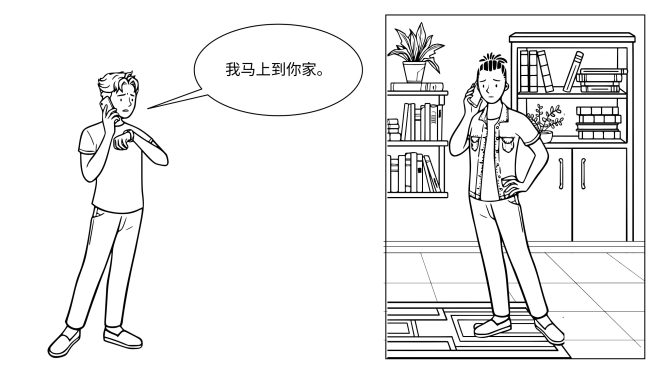
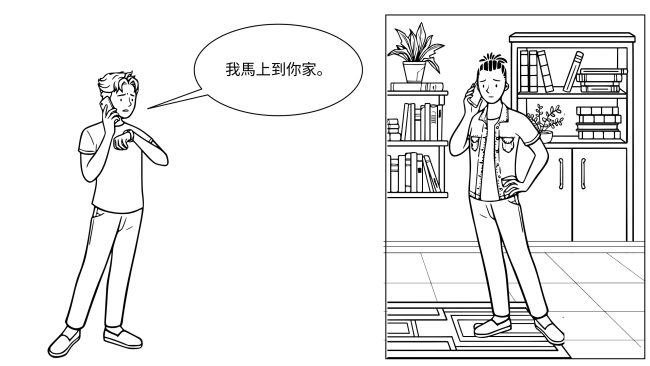
Mǎshàng 马上/馬上 “immediately, right away, at once” and xiān 先 “first” always precede the verb and follow the subject.

subject
马上/馬上
马上
馬上
mǎshàng
verb
dào
(object)
你家。
你家。
nǐ jiā.
I'll be at your house right away.
subject
xiān
verb
试试
試試
shì shì
(object)
红色的衣服。
紅色的衣服。
hóngsè de yīfu.
I’ll try the red dress first.

Yǒushí 有时/有時comes from the longer expression yǒu de shíhòu 有的时候/有的時候, which can also appear as yǒu shíhòu 有时候/有時候. All these three forms mean “sometimes” and can appear after the subject. Since the verb yǒu 有 “to have” is included in these expressions as it says “there are times when…”, they can also appear before the subject.

subject
有时/有時
有时
有時
yǒushí
verb
(object)
她家。
她家。
tā jiā.
I sometimes go to her house.
有时/有時
有时
有時
Yǒushí
subject
我们
我們
wǒmen
verb
chī
(object)
中国菜。
中國菜。
Zhōngguó cài.
Sometimes we eat Chinese food.

Negation

To express that an action will not happen immediately, 不 “not” usually appears with modal verbs, such as 会huì “can” or 想 “desire”, or verbs like dǎsuàn 打算 “to plan” before mǎshàng 马上/馬上.  

subject
modal verb
yào
马上/馬上
马上
馬上
mǎshàng
verb
回答
回答
huídá
(object)
你的问题。
你的問題。
nǐ de wèntí.
I don’t want to answer your question right away.
subject
打算
打算
打算
dǎsuàn
马上/馬上
马上
馬上
mǎshàng
verb
yào
(object)
小孩。
小孩。
xiǎohái.
They did not go home immediately.

To negate the immediacy of an action already occurred, méiyǒu 没有/沒有 “not” can appears added directly before mǎshàng 马上/馬上.

subject
他们
他们
Tāmen
没有/沒有
没有
沒又
méiyǒu
马上/馬上
马上
馬上
mǎshàng
verb
huí
(object)
家。
家。
jiā.
They did not go home immediately.

To negate the temporal priority of an action already occurred, méiyǒu 没有/沒有 “not” can be used directly before xiān 先.

subject
没有/沒有
没有
沒有
méiyǒu
xiān
verb
检查
检查
jiǎnchá
(object)
这些东西。
這些東西。
zhè xiē dōngxi.
You didn’t check these things first.

When expressing a verb is not taken placed first, 不 “not” is placed before xiān

subject
xiān
verb
chī
(object)
水果。
水果。
shuǐguǒ.
She doesn’t eat fruit first.

Yǒushí 有时/有時 “sometimes” itself cannot be negated, but negation adverbs 不 “not” and méi 没/沒 “not” can be placed after yǒushí 有时/有時 to negate the following verb.

subject
他们
他們
Tāmen
有时/有時
有时
有時
yǒushí
verb
zuò
(object)
作业。
作業。
zuòyè.
Sometimes they don’t do their homework.
subject
他们
他們
Tāmen
有时/有時
有时
有時
yǒushí
没/沒
méi
verb
zuò
(object)
作业。
作業。
zuòyè.
Sometimes they didn’t do their homework.

Question

To form a yes–no question, the question particle ma 吗/嗎 can be added at the end of the sentence.

subject
我们
我們
Wǒmen
马上/馬上
马上
馬上
mǎshàng
verb
kāi
(object)
huì
吗/嗎
吗?
嗎?
ma?
Are we having a meeting right away?
subject
xiān
verb
(object)
zǎo
吗/嗎
吗?
嗎?
ma?
Are you going to take a shower first?
subject
有时/有時
有时
有時
yǒushí
verb
tīng
(object)
音乐
音樂
yīnyuè
吗/嗎
吗?
嗎?
ma?
Do you sometimes listen to music?
有时/有時
有时
有時
Yǒushí
subject
verb
tīng
(object)
音乐
音樂
yīnyuè
吗/嗎
吗?
嗎?
ma?
Do you sometimes listen to music?

With modal verbs

Since mǎshàng 马上/馬上expressing that an action will happen very soon, its meaning is always connected to the main verb. Therefore, when a sentence has a modal verb, mǎshàng 马上/馬上 can appear before or after the modal verb depending on what the speaker wants to emphasize.

subject
马上/馬上
马上
馬上
mǎshàng
modal verb
可以
可以
kěyǐ
verb phrase
走。
走。
zǒu.
You can leave very soon.
(The permission is not granted but will be soon.)
subject
马上/馬上
马上
馬上
mǎshàng
modal verb
huì
verb phrase
写完。
寫完。
xiě wán.
He will finish writing very soon.
(He has already started and will finish the action of writing soon.)
subject
modal verb
可以
可以
kěyǐ
马上/馬上
马上
馬上
mǎshàng
verb phrase
走。
走。
zǒu.
You can leave right away.
(The permission is granted, and the listener can leave immediately.)
subject
modal verb
huì
马上/馬上
马上
馬上
mǎshàng
verb phrase
写完
寫完。
xiě wán.
He will get the writing done immediately.
(He hasn’t started but will complete the task soon when he starts.)

Note that when the speaker is giving an instruction, permission, or plan, mǎshàng 马上/馬上is usually placed right before the main action. In this use, mǎshàng 马上/馬上shows that the action should be done right now, not later.

你应该马上做。
你應該馬上做。
Nǐ yīnggāi mǎshàng zuò.
You should do it right now.

Modal verbs can appear either after or before xiān

subject
我们
我們
Wǒmen
xiān
modal verb
xiǎng
verb
休息。
休息。
xiūxi.
(object)
We want to rest first.
subject
我们
我們
Wǒmen
modal verb
yào
xiān
verb
chī
(object)
饭。
饭。
fàn.
We need to eat first.

Modal verbs are usually placed after yǒushí 有时/有時.

subject
有时/有時
有时
有時
yǒushí
modal verb
可以
可以
kěyǐ
verb
yòng
(object)
我妈妈的电脑。
我媽媽的電腦。
wǒ māma de diànnǎo.
I can sometimes use my mom’s computer.

With prepositional phrases

Mǎshàng 马上/馬上, xiān 先 and yǒushí 有时/有時 normally appear before the prepositional phrase.

subject
马上/馬上 先 有时/有時
马上
馬上
mǎshàng
prepositional phrase
跟他们
跟他們
gēn tāmen
verb
shuō
(object)
话。
話。
huà.
I speak to them immediately.
subject
马上/馬上 先 有时/有時
xiān
prepositional phrase
给我
给我
gěi wǒ
verb
(object)
头。
頭。
tóu.
Wash my hair first.
subject
马上/馬上 先 有时/有時
有时
有時
yǒushí
prepositional phrase
在大学的图书馆
在大學的圖書館
zài dàxué de túshūguǎn
verb
学习
學習
xuéxí
(object)
中文。
中文。
Zhōngwén.
Sometimes I study Chinese in the university library.

Functions

1. Mǎshàng 马上/馬上expressing immediacy and promptness

Mǎshàng 马上/馬上 indicates that an action occurs “immediately, right away, at once”, and it is often used in spoken Chinese. It can refer to actions that have not happened yet or that already happened, and it is often followed by the adverb jiù 就.

我想马上吃饭。
我想馬上吃飯。
Wǒ xiǎng mǎshàng chī fàn.
I want to eat right away.
你下课以后,马上就回家吗?
你下課以後,馬上就回家嗎?
Nǐ xià kè yǐhòu, mǎshàng jiù huí jiā ma?
Do you go straight home right after class?
今天机票很便宜, 所以我马上就买票了。
今天機票很便宜, 所以我馬上就買票了。
Jīntiān jīpiào hěn piányi, suǒyǐ wǒ mǎshàng jiù mǎi piào le.
The plane tickets were very cheap today, so I bought one right away.

When mǎshàng 马上/馬上 is used with the adverb jiù 就 and the modal particle le 了 at the end of the sentence, it emphasizes that an action is about to happen very soon, in the very near future, conveying a strong sense of imminence.
 

你再等一会儿, 妈妈爸爸马上就来了。
你再等一会儿, 媽媽爸爸馬上就來了。
Nǐ zài děng yíhuìr, māma bàba mǎshàng jiù lái le.
Wait a little longer, mom and dad will be here soon.
时间过得真快,(我)马上就要回国了!
時間過得真快,(我)馬上就要回國了!
Shíjiān guò de zhēn kuài, (wǒ) mǎshàng jiù yào huí guó le!
Time really flies, I’m about to go back to my country soon!

Mǎshàng 马上/馬上 is usually directly preceded by 不 to say that someone “will do something not immediately”; in these cases, a modal verb or the verb dǎsuàn 打算 “to plan” appear between 不 and mǎshàng 马上/馬上.

我不打算马上参加汉语水平考试。
我不打算馬上參加漢語水平考試。
Wǒ bù dǎsuàn mǎshàng cānjiā Hànyǔ shuǐpíng kǎoshì.
I don’t plan to take the Chinese Proficiency Test right away.
我不想马上给他打电话。
我不想馬上給他打電話。
Wǒ bù xiǎng mǎshàng gěi tā dǎ diànhuà.
I don’t want to call him right away.

In contrast, it can be directly preceded by méiyǒu 没有/沒有 to say that someone “did something not immediately”.

因为工作太多,没有马上出发。
因為工作太多,沒有馬上出發。
Yīnwèi gōngzuò tài duō, méiyǒu mǎshàng chūfā.
Because there was too much work, I didn’t leave immediately.

Note that 不 can appear directly before mǎshàng 马上/馬上in hypothetical sentences expressing that if someone “do not do something immediately” then something else will happen, or in rhetorical questions conveying an implied judgement.

如果你不马上进来,你就会生病。
如果你不馬上進來,你就會生病。
Rúguǒ nǐ bù mǎshàng jìnlái, nǐ jiù huì shēng bìng.
If you don’t come inside right away, you’ll get sick.
你为什么不马上给她打电话?
你為什麼不馬上給她打電話?
Nǐ wèishéme bù mǎshàng gěi tā dǎ diànhuà?
Why don’t you call her right away?
Also check hypothetical sentence with Rúguǒ……, jiù…… 如果……,就…… “If…, then…” or ……dehuà, jiù…… ……的话,就…… “If…, then…”
 

2. Xiān 先expressing priority in the chronological order of actions

Xiān 先 indicates that an action takes place “first”, giving information about the chronological sequence. It refers to concrete and successive actions in imperative or declarative sentences.

老师,我先说吧!
老師,我先說吧!
Lǎoshī, wǒ xiān shuō ba!
Teacher, let me speak first!
你们先喝点儿什么?
你們先喝點兒什麼?
Nǐmen xiān hē diǎnr shénme?
What would you like to drink first?
学生比老师先到了十分钟。
學生比老師先到了十分鐘。
Xuésheng bǐ lǎoshī xiān dào le shí fēnzhōng.
The students arrived ten minutes before the teachers.
孩子没有先做作业,就去玩儿了。
孩子沒有先做作業,就去玩兒了。
Háizi méiyǒu xiān zuò zuòyè, jiù qù wánr le.
The children went to play without doing their homework first.
你没有先问问就做了。
你沒有先問問就做了。
Nǐ méiyǒu xiān wènwen jiù zuò le.
You did it without asking first.
For more on xiān先, check Sequential structure with xiān…… zài/ránhòu…… 先…… 再/然后/然後…… “first… then…”

Note that 不 is usually used before xiān 先in hypothetical sentences to express that if someone “do not do something first” then something else will happen, or in rhetorical questions conveying an implied judgement.

如果你不明白,就一定要先请老师再说一遍。
如果你不明白,就一定要先請老师再说一遍。
Rúguǒ nǐ bù míngbái, jiù yīdìng yào xiān qǐng lǎoshī zài shuō yíbiàn.
If you don’t understand, you must first ask the teacher to explain it again.
你为什么不先告诉我呢?
你為什麼不先告訴我呢?
Nǐ wèishéme bù xiān gàosù wǒ ne?
Why didn't you tell me first?
Also check hypothetical sentence with Rúguǒ……, jiù…… 如果……,就…… “If…, then…” or ……dehuà, jiù…… ……的话,就…… “If…, then…”

3. Yǒushí 有时/有時indicating low-frequency actions

Yǒushí 有时/有時 indicates that an action occurs “sometimes”, just occasionally and without regularity.

我有时晚上做作业。
我有時晚上做作業。
Wǒ yǒushí wǎnshàng zuò zuòyè.
I sometimes do my homework at night.
有时我感到很难过。
有時我感到很難過。
Yǒushí wǒ gǎn dào hěn nánguò.
Sometimes I feel very sad.
北京的冬天很冷,有时候还下雪。
北京的冬天很冷,有時候還下雪。
Běijīng de dōngtiān hěn lěng, yǒu shíhòu hái xià xuě.
Winters in Beijing are cold, and sometimes it even snows.
有时候我觉得我不喜欢他了。
有時候我覺得我不喜歡他了。
Yǒu shíhòu wǒ juéde wǒ bù xǐhuan tā le.
Sometimes I feel like I don’t like him anymore.
有的时候你应该先想好,然后说。
有的時候你應該先想好,然後說。
Yǒu de shíhòu nǐ yīnggāi xiān xiǎng hǎo, ránhòu shuō.
Sometimes you should think things through before you speak.

In coordinated structures meaning “sometimes…, sometimes…”, yǒushí 有时/有時 appears after the subject when the subject is the same in both clauses. If the sentence involves two different subjects, yǒushí 有时/有時 should be used at the beginning of each clause.

星期二下午,他有时在家看书,有时和朋友去打球。
星期二下午,他有時在家看書,有時和朋友去打球。
Xīngqī'èr xiàwǔ, tā yǒushí zài jiā kàn shū, yǒushí hé péngyǒu qù dǎ qiú.
On Tuesday afternoon, sometimes he reads at home, sometimes he goes to play ball with friends.
星期二下午,有时他来我家,有时我去他家。
星期二下午,有時他來我家,有時我去他家。
Xīngqīèr xiàwǔ,yǒushí tā lái wǒ jiā,yǒushí wǒ qù tā jiā.
On Tuesday afternoon, sometimes he comes over to my place, sometimes I go to his.
雨有时大有时小。
雨有時大有時小。
Yǔ yǒushí dà yǒushí xiǎo.
The snowflakes are sometimes big and sometimes small.