

Menu

吧
吧
ba
final particle

Explanations

Ba 吧 is a sentence-final particle that softens the tone and shows the speaker’s attitude. The sentence-final ba 吧 added to a sentence does not change the word order. Ba 吧 makes an utterance sound less direct, more polite, or more tentative. In statements, ba 吧 often marks gentle suggestions, or invitations (‘Let’s… / Why don’t we…’), polite instructions, or a cautious guess (‘probably…, I think…’). In questions, ba 吧 conveys a tentative assumption or expected agreement/confirmation while the questions with the final particle ma 吗/嗎 lack this pragmatic effect. The exact nuance of ba 吧 depends on context and intonation, and not on the sentence structure.
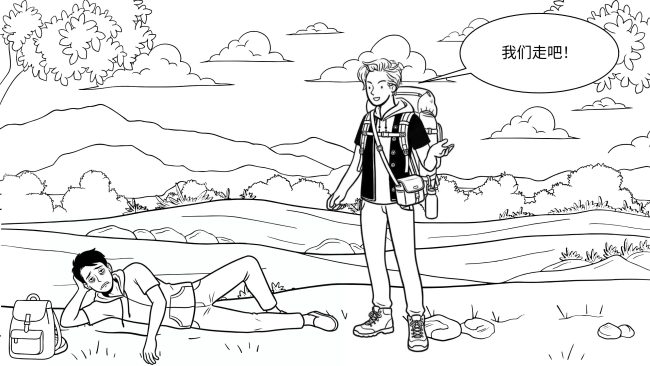
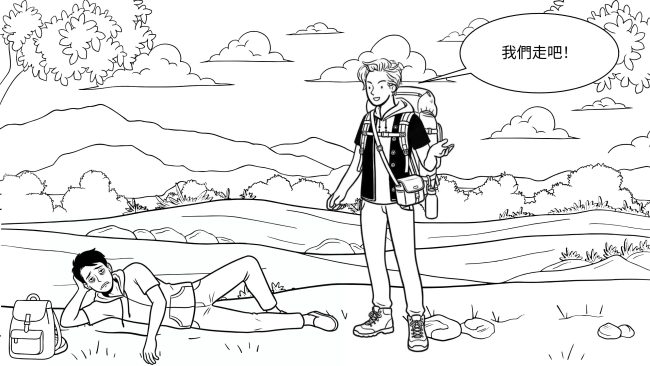
ba sim ba tra

Structure

Basic structure

Ba 吧 always appears at the end of a sentence.

Sentence
我们走
我們走
Wǒmen zǒu
吧
吧。
吧。
ba.
Let’s go.
(Making a suggestion)
他应该是老师
他應該是老師
Tā yīnggāi shì lǎoshī
吧。
吧。
ba.
He is probably a teacher.
(Indicating uncertainty or tentative judgment)
帮我看一下这个
幫我看一下這個
Bāng wǒ kàn yíxià zhè ge
吧。
吧。
ba.
Please take a quick look at this.
(Softening a request/command)

Negation

Ba 吧 can follow a negative statement to soften the tone, show hesitation, or make an indirect suggestion. It is commonly attached to sentences that include the negation adverbs bié 别/別 ‘don’t…’ or bú yào 不要 ‘don’t…’ for gentle prohibitions, or to negated sentences with bù 不 ‘not…’ to check or suggest a negative choice.

Negated sentence
别走得那么快
別走得那麼快
Bié zǒu de nàme kuài
吧
吧。
吧。
ba.
Don’t walk so fast.
不要吃太多糖
不要吃太多糖
Bú yào chī tài duō táng
吧。
吧。
ba.
Don’t eat too much sugar, alright?

Questions

Sentences with ba 吧 can express a tentative question or guess depending on the context. These questions often seek confirmation or show the speaker’s assumption.

Sentence
你是老师
你是老師
Nǐ shì lǎoshī
吧
吧?
吧?
ba?
You are a teacher, I suppose?
(The speaker uses ba 吧 instead of ma 吗, implying that he/she assumes the listener is a teacher.)
今天会下雨
今天會下雨
Jīntiān huì xià yǔ
吧?
吧?
ba?
It will rain today, won’t it?
(tentative guess, the speaker possibly makes such a judgment based on some observations.)

Compare the following two sentences. (The first question is neutral; its purpose is to seek information.)
(The second question implies an assumption; its purpose is to seek agreement.)

你是新生吗?
你是新生嗎?
Nǐ shì xīnshēng ma?
Are you a new student?
你是新生吧?
你是新生吧?
Nǐ shì xīnshēng ba?
You’re probably new, right? / I suppose?

Functions

1. Expressing a suggestion or proposal (soft imperative)

The final particle ba often softens a directive, making it sound like a decision made together or a gentle nudge rather than a command.

我们休息一下吧。
我們休息一下吧。
Wǒmen xiūxi yíxià ba.
Let’s take a short break.
你帮我看看吧。
你幫我看看吧。
Nǐ bāng wǒ kànkan ba.
Take a look for me.

Ba 吧 can go with háishì 还是/還是 to suggest what seems to be the better or more suitable choice. It often shows that the speaker has thought about another possibility and now recommends this option instead. With bié 别/別, as in háishì bié……ba 还是别……吧/還是別……吧, it expresses advice not to do something.

我们还是明天去吧。
我們還是明天去吧。
Wǒmen háishì míngtiān qù ba.
We’d better go tomorrow.
你还是别告诉他吧。
你還是別告訴他吧。
Nǐ háishì bié gàosù tā ba.
You’d better not tell him.

2. Expressing uncertainty or inference (tentative guess)

The final particle ba is used to mark a tentative guess or assumption; with rising intonation, it conveys a soft question.

他已经到家了吧。
他已經到家了吧。
Tā yǐjīng dào jiā le ba.
He has probably already got home.
(I suppose he is home now.)
明天会下雨吧?
明天會下雨吧?
Míngtiān huì xià yǔ ba?
Will it rain tomorrow?
(I guess it will rain, right?)

This use often co-occurs with expressions which are related to the speaker’s judgement, such as wǒ kàn 我看 ‘in my view’ or wǒ xiǎng 我想 ‘I think’.

我看,你学过中文吧?
我看,你學過中文吧?
Wǒ kàn, nǐ xué guo Zhōngwén ba?
I think you have studied Chinese before, right?
我想你们还不饿吧?
我想你們還不餓吧?
Wǒ xiǎng nǐmen hái bú è ba?
I think you are probably not hungry yet, right?

In certain contexts, ba 吧 can show scepticism, surprise, or a gentle challenge to what has just been said or assumed. It invites confirmation but implies doubt.

他是你哥哥吧?(boyfriend)
他是你哥哥吧?
Tā shì nǐ gēge ba?
Is he your older brother?
(Depending on the context, the sentence may have several possible implications: ‘He is not what you said he is.’ or ‘He acts like your older brother, not your boyfriend.’, etc)
你不会不来吧?
你不會不來吧?
Nǐ bú huì bù lái ba?
You're not really not coming, are you?
(The tone can be worried, challenging, sceptical, or surprised, depending on the context.)

3. Indicating concession

The particle ba 吧 is often used with the following expressions to show reluctant acceptance, mild approval, or resignation.

A: 谁想跟我去?……没有人吗?
A: 誰想跟我去?……沒有人嗎?
Shéi xiǎng gēn wǒ qù?….Méi yǒu rén ma?
Who wants to go with me?…No one?
B: 好吧,我跟你去。
B: 好吧,我跟你去。
Hǎo ba, wǒ gēn nǐ qù.
Okay, I will go with you.
A: 这个字写得不好,你再写一次吧?
A: 這個字寫得不好,你再寫一次吧?
Zhè ge zì xiě de bù hǎo, nǐ zài xiě yí cì ba?
This character is not written well. How about writing it again?
B: 我累了,不想写了,就这样吧。
B: 我累了,不想寫了,就這樣吧。
Wǒ lèi le, bù xiǎng xiě le, jiù zhèyàng ba.
I’m tired. I don’t want to keep writing. Just leave it.
A: 这个菜真难吃,我要去跟服务员说。
A: 這個菜真難喫,我要去跟服務員說。
Zhè ge cài zhēn nán chī, wǒ yào qù gēn fúwùyuán shuō.
This dish tastes really bad. I’m going to tell the waiter.
B: 算了吧,下次别来这儿了。
B: 算了吧,下次別來這兒了。
Suàn le ba. Xià cì bié lái zhèr le.
Forget it. Let’s not come here again next time.