

 en
en cs
cs da
da de
de it
it pl
plExplanations
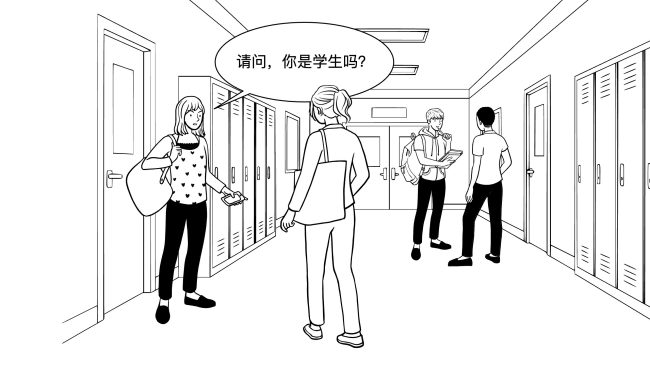
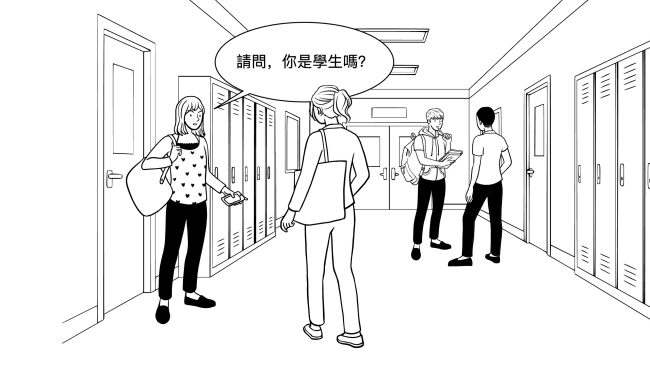
Ma 吗/嗎 is a sentence-final particle that turns a statement into a yes–no question. It does not change word order: you keep the statement structure and simply add ma 吗/嗎 at the end. It does not assume ‘yes’ or ‘no’.
Structure
Basic structure
To form a yes-no question, add the question particle ma 吗/嗎 at the end of a declarative sentence. The word order stays the same; only ma 吗/嗎 is added at the end.
Note: ma 吗/嗎 cannot be added to A-not-A questions. Since the structure A-not-A already expresses a yes–no question, ma 吗/嗎 must not be added.
Negation
Negative yes-no questions are formed by inserting bù 不 / méi(yǒu) 没(有)/沒(有) in the ma 吗/嗎 question. Negative questions may express disbelief, surprise, or displeasure.
Reply
In replies to ma 吗/嗎 questions, speakers usually repeat the main verb, adjective, or yǒu/méiyǒu 有/没有 / 有/沒有 from the question. Duì 对/對 or shì de 是的 can be added at the beginning of an affirmative answer, and bù 不 or méi (yǒu) 没(有)/沒(有) is used in negative answers. Also, shì de 是的 sounds more formal and distant.
Functions
1. Forming neutral yes-no questions
Ma 吗/嗎 is the most basic way to ask a yes–no question. It does not show the speaker’s attitude or expectation.
Note: Ma 吗/嗎 is the default way to ask a confirmation question. By contrast, other sentence-final question particles have specific connotations: ba 吧 often softens or shows a guess/suggestion, while ne 呢 marks continuation or topic focus.
2. Negative questions to express surprise or different expectations
A negative question with ma 吗/嗎 often conveys the speaker’s expectation that the opposite is true or signals mild surprise or concern about new information. The speaker is seeking confirmation of what they previously believed to be correct.
Note: Another common way to form a question in Chinese is to use the A-not-A pattern (e.g. 他们今天来不来?Tāmen jīntiān lái bù lái? ‘Are they coming today?’). Both forms are grammatically correct. In general, A-not-A questions are often more neutral, while 吗 questions may sound more like the speaker is checking or confirming something.