

 en
en cs
cs da
da de
de it
it pl
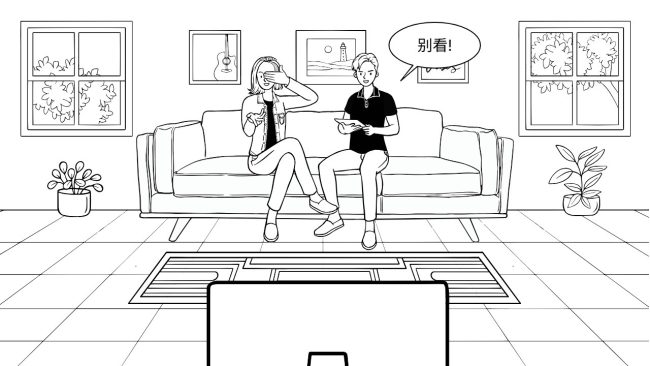
plBié 别 ‘don’t’ is a negation adverb used to tell someone not to do something. It is mainly used in imperative sentences, such as commands, requests or warnings.
Note, bié 别 ‘don’t’ is often interchangeable with búyào 不要 ‘don’t’.
Also check Imperatives
Structure
Basic form
The negation adverb bié 别 ‘don’t’ is placed before a verb or adjective predicate. Sentences with bié 别 ‘don’t’ are often without a subject.
If a subject is included in the sentence, it comes before bié 别 ‘don’t’.
Bié 别 ‘don’t’ can also be used with adjective predicates indicating psychological states or emotions, such as nánguò 难过/難過 ‘sad’, shēngqì 生气/生氣 ‘angry’, pà 怕 ‘afraid’ or zháojí 着急/著急 ‘anxious’.
Questions
As an imperative marker bié 别 ‘don’t’ is not used in neutral yes-no questions. However, a tag-question, such as hǎo ma? 好吗? or hǎo bù hǎo? 好不好? ’okay?’ can be used at the end of the sentence to soften the tone.
With adverbs
Adverbs like zhǐ 只’only’, zài 再 ‘again’ or yìzhí 一直’continuously’ are placed after bié 别 ‘don’t’.
With prepositional phrases
Bié 别 usually comes before a prepositional phrase. In this kind of sentence focus is on the action being prohibited.
If focus is on the location, the prepositional phrase can be placed before bié 别.
Functions
1. Bié 别 ’don’t’ expressing ‘prohibition’
Bié 别 is a negative imperative marker, implying command or request not to do something. It is used in everyday, casual conversation.
It is possible soften the tone by using qǐng 请/請 ’please’ before bié 别.
2. Bié 别 expressing ‘don’t be’
Bié 别 ‘don’t’ can also occur before verbs and stative adjectives that denote mental or emotional states. In such cases, it expresses the meaning ‘do not be (in a given state)’, e.g. ‘don’t be afraid’ or ‘don’t be sad’.