

 en
en cs
cs da
da de
de it
it pl
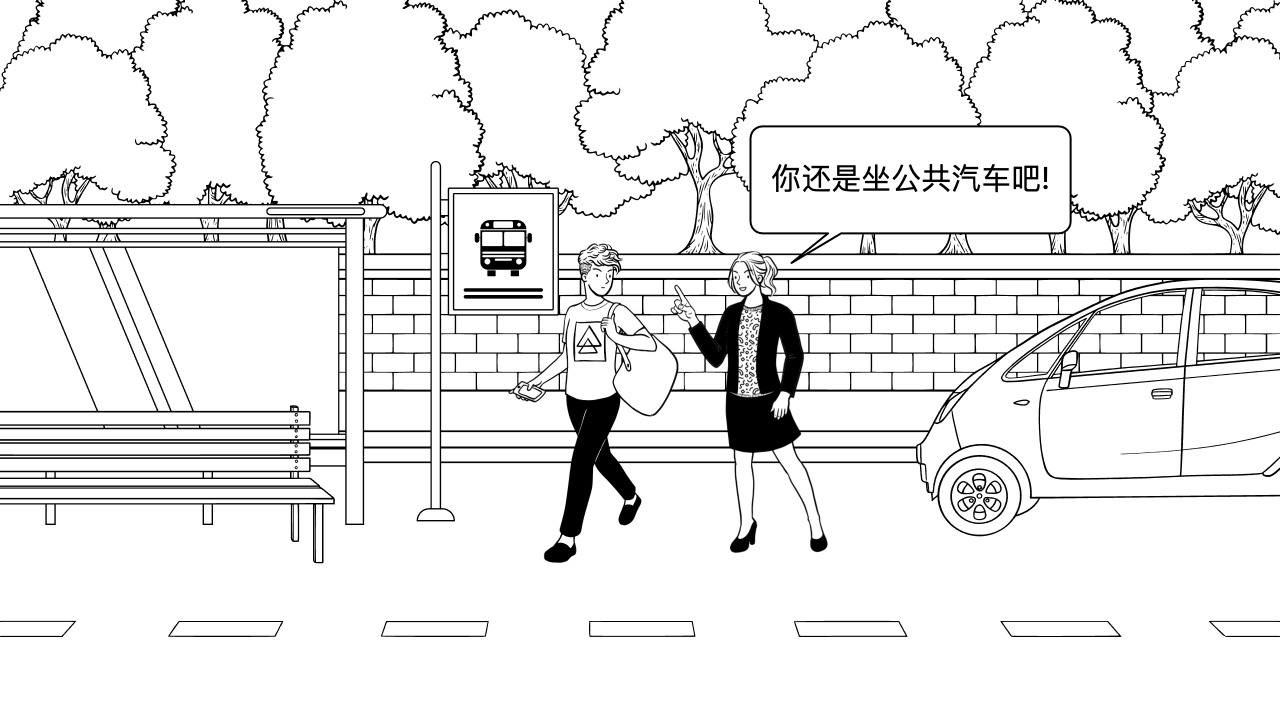
plHáishi 还是/還是 ‘had better’ can mark a preference with regard to a decision or a suggestion of the speaker who thought about other available options. When making a suggestion to someone else, the particle ba 吧 is often placed at the end of the sentence.
Háishi 还是/還是 ‘still’ can also indicate an unchanged situation. In this meaning, it can be replaced with hái 还/還.
Structure
Basic form
Háishi 还是/還是 always comes before verbs or adjectives serving as predicates. If the sentence includes modal verbs or prepositional phrases, háishi 还是/還是 is placed before them as well.
Negation
Háishi 还是/還是 always comes before negation adverbs, such as bù 不 ‘not’, méi 没/沒 ‘not’ or bié 别/別 ‘not better’.
With adverbs
Háishi 还是/還是 always comes before adverbs.
Functions
1. Háishi 还是/還是 marking preferences or making suggestions
The adverb háishi 还是/還是 ‘had better’ can mark a preference with regard to a decision or a suggestion of the speaker who announces a decision or gives a suggestion after having thought about other available options. When making a suggestion to someone else, the particle ba 吧 is often placed at the end of these sentences.
2. Háishi 还是/還是 indicating an unchanged situation
The adverb háishi 还是/還是 ‘still’ can also describe an unchanged situation. In this meaning, it can be replaced with hái 还/還.