

 en
en cs
cs da
da de
de it
it pl
pl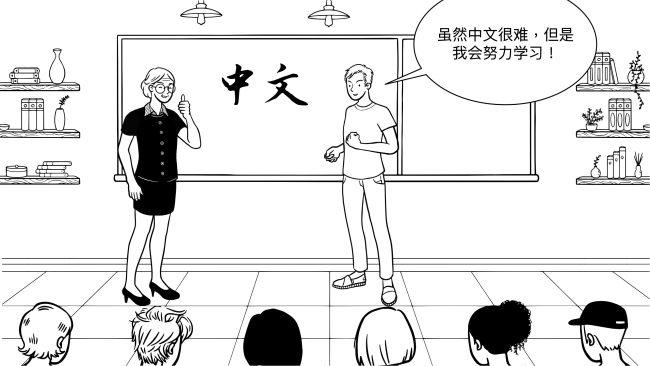
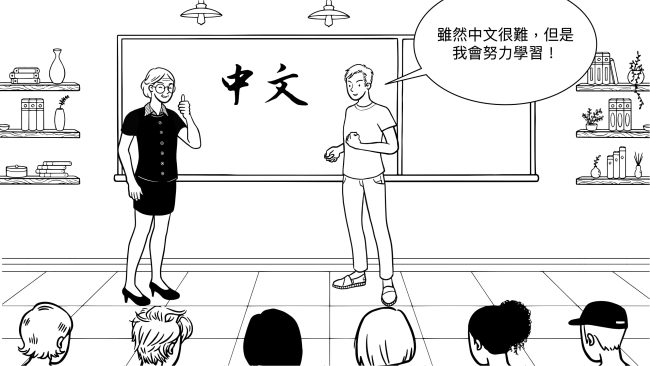
The conjunctions dànshì 但是, kěshì 可是 and búguò 不过/不過 all mean “but” and can be used in the second clause to indicate a contradiction. However, these three conjunctions differ slightly in tone and usage and are used in different contexts. Dànshì 但是 is more formal and can be used in both written and spoken contexts. Kěshì 可是 and búguò 不过/不過 are more common in spoken language and sound less formal.
When emphasizing a contradiction to a known fact, the conjunctions suīrán 虽然/雖然 ‘although’ and these above-mentioned conjunctions are commonly used in paired clauses. In a paired-clause construction, suīrán 虽然/雖然 always appears in the first clause to concede a known fact.
If the context is clear, suīrán 虽然/雖然 can be left out while dànshì 但是, kěshì 可是, and búguò 不过/不過 are still used in the second clause.
Structure
1. Using dànshì 但是, kěshì 可是 and búguò 不过/不過 in the second clause to indicate a contradiction
In spoken Chinese, dànshì 但是, kěshì 可是 and búguò 不过/不過 can appear on their own in the second clause to indicate a contradiction.
2. Using suīrán 虽然/雖然 in the first clause to indicate a clear contradiction
Usually, suīrán 虽然/雖然 is placed at the sentence-initial position, but if the two clauses share the same subject, it can be placed after the subject.
Functions
Indicating a contradictory idea or information to an acknowledged fact
All the three conjunctions dànshì 但是, kěshì 可是 and búguò 不过/不過 ‘but’ can be used in the second clause to indicate the contradiction; however, they differ slightly in tone and usage and are used in different contexts. Dànshì 但是 sounds more formal and can be in both written and spoken contexts, whereas kěshì 可是 and búguò 不过/不過 are more prevalent in colloquial speech and convey a less formal tone.
In spoken language, kěshì 可是 sounds more personal and emotionally charged, and it can suggest disagreement, so it is often related to refutations or stronger disagreement. Búguò 不过/不過, on the other hand, has a lighter tone and often indicates a mild contrast or additional explanation.
In a conversation, kěshì 可是 and búguò 不过/不過 are often used to introduce a contrasting situation, expressing a disagreement, or providing additional explanation in relation to a fact previously mentioned.
When emphasizing a contrasting idea in relation to an acknowledged fact, the conjunction suīrán 虽然/雖然 needs to be used in the first clause. The first part with suīrán 虽然/雖然 introduces a fact or situation that is acknowledged, while the second part presents the contradiction.
Suīrán 虽然/雖然 is usually placed at the sentence-initial position, but if the two clauses share the same subject, it can be placed after the subject.
Note that in English, when “although” is used, the second clause does not take “but.” In Chinese, however, a conjunction such as dànshì 但是, kěshì 可是 or búguò 不过/不過 is still required in the second clause.