

 en
en cs
cs da
da de
de it
it pl
plThe pattern yòu… yòu… 又……又…… ‘both… and…’ expresses two simultaneous properties or two concurrent actions related to the same subject. The sentence is composed of two parallel clauses, each carrying information of equal importance.
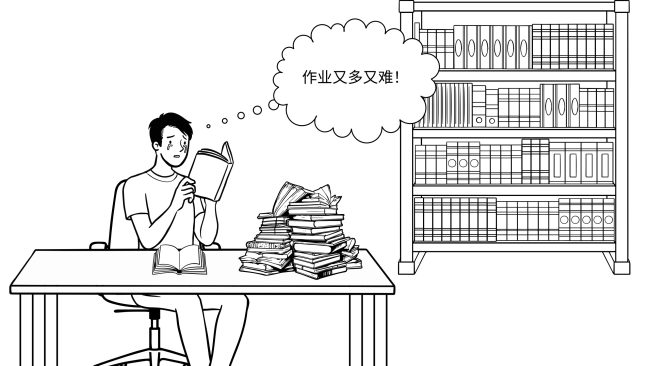
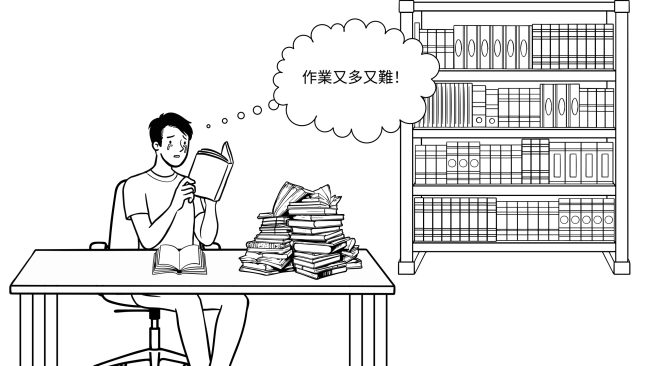
Structure
Basic form
Co-occurrence of simultaneous properties
To describe two simultaneous qualities or attributes of the subject, each yòu 又 is followed by an adjective functioning as a predicate. The two adjectives must be either both positive or both negative in meaning.
Note that, native speakers often pair adjectives of the same syllabic length (two monosyllabic or two disyllabic), though this is not a strict rule.
Co-occurrence of concurrent actions
To express that a subject perform two actions at the same time or within the same general time frame, each yòu 又 is followed by a verb. The actions must be compatible (e.g. ‘walk and talk’), not mutually exclusive (e.g. ‘walk and run’).
Each yòu 又 can also be followed by a verb phrase, such as verbs with objects or verbs preceded by modal verbs.
With modal verbs
Modal verbs, such as xiǎng 想 ‘to wish’, appear repeated before each verb inside each part of the structure.
Negation
When connecting two adjectives with yòu 又, negation adverb bù 不 may appear inside each part of the structure, as long as both parts still describe comparable types of properties or actions. That is, it is possible to have one or two bù 不 ‘not’ in the same sentence. When both parts are negated and remain semantically parallel, the sentence often corresponds to the meaning ‘neither… nor…’ in English.
When connecting two verbs, modal verbs, or verb phrases, bù 不 méi 没/沒 ‘not’ usually appear in both parts and the meaning also corresponds to ‘neither… nor…’ in English.
Question
To form a yes–no question, the question particle ma 吗/嗎 can be added at the end of the sentence.
As a complement after de 得
The yòu… yòu… 又……又…… pattern is frequently used as a descriptive complement after a verb with the structural particle de 得, describing the performance of an action.
Also check Structural particle de 得
Functions
1. Yòu… yòu… 又……又…… ‘both… and…’ expressing co-occurrence of simultaneous properties
The pattern yòu… yòu… 又……又…… ‘both… and…’ denotes the co-occurrence of two simultaneous qualities or properties of the same subject. The two adjectives should be either both positive or both negative in meaning.
This pattern is often used as complement after the structural particle de 得, describing how an action is performed.
Note that the degree adverbs, such as hěn 很 ‘very’, cannot be used in the pattern yòu… yòu… 又……又…… ‘both… and…’. In this latter case, the pattern … yě… ……也…… ‘and also’ can be used.
Also check Coordinative structure with …, yě… ……,也…… ‘…, and (also)…’
2. Yòu… yòu… 又……又…… ‘both… and…’ expressing co-occurrence of concurrent actions in the same time frame
The pattern yòu… yòu… 又……又…… ‘both… and…’ can also express that a subject performs two concurrent actions. It indicates that the actions are carried out together, either simultaneously or simply within the same time frame. The actions must be compatible, not mutually exclusive.
The actions can occur at the same time or at different times.
When modal verbs expressing intention, such as xiǎng 想 ‘to want’, occur in this pattern, the sentence often conveys indecisiveness.