The patterns rúguǒ…, jiù… 如果……,就…… ‘if…, then…’ and …dehuà, jiù… ……的话/的話,就…… ‘if…, then…’ are used to form conditional sentences. They indicate that if the condition expressed in the first clause is true or fulfilled, then the resulting outcome in the second clause naturally follows.
Structure
Basic form
In the patterns rúguǒ…, jiù… 如果……,就…… ‘if…, then…’ and …dehuà, jiù… ……的话/的話,就…… ‘if…, then…’, the two clauses may share the same subject or have different subjects. When the subject is the same, it is often omitted in the second clause, to avoid repetition.
In the first pattern, the conjunction rúguǒ 如果 ‘if’ is placed in the first clause and its position is flexible: it may appear before or after the subject. In contrast, the adverb jiù 就 ‘then’ always precedes the verb in the second clause and cannot precede the subject.
verb / verb phrase 1
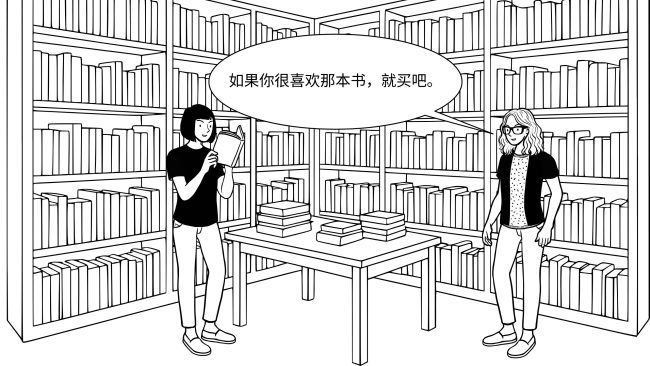
很喜欢那本书,
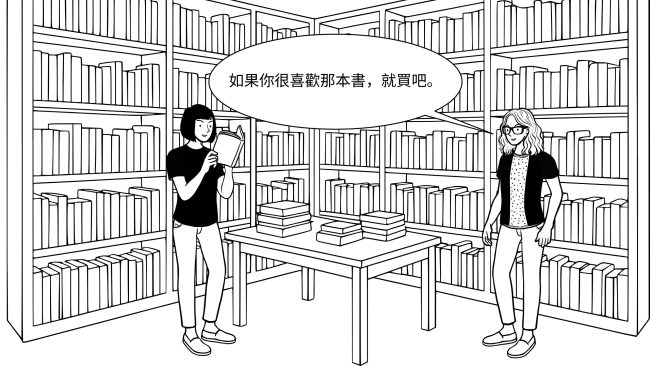
你喜欢那本書
hěn xǐhuan nà běn shū,
verb / verb phrase 2
买吧。
買吧。
mǎi ba.
If you really like that book, then buy it.
verb / verb phrase 1
去,
去,
qù,
verb / verb phrase 2
去。
去。
qù.
If he goes, then we will go.
verb / verb phrase 1
有很多钱
有很多錢
yǒu hěn duō qián
verb / verb phrase 2
去旅游。
去旅遊。
qù lǚyóu.
If I had a lot of money, I would travel.
In the second pattern, dehuà 的话/的話 ‘if’ is placed at the end of the first clause; while jiù 就 ‘then’ always precedes the verb of the second clause. This pattern in more colloquial than the pattern with rúguǒ 如果.
verb / verb phrase 2
告诉我。
告訴我。
gàosù wǒ.
If you are coming, then let me know.
clause 1
明天天气好
明天天气好
Míngtiān tiānqì hǎo
(subject 2)
孩子们
孩子們
háizimen
verb / verb phrase 2
去公园玩儿。
去公園玩兒。
qù gōngyuán wánr.
If the weather is nice tomorrow, the children will go to the park.
Sometimes all three elements appear together. Using dehuà 的话 makes the tone more relaxed and conversational.
clause 1
天气不好
天气不好
tiānqì bù hǎo
verb / verb phrase 2
在家看电视。
在家看電視。
zài jiā kàn diànshì.
If the weather is bad, we’ll stay home and watch TV.
Functions
1. Expressing hypothetical conditions and resulting outcomes
The patterns rúguǒ…, jiù… 如果……,就…… ‘if…, then…’ and …dehuà, jiù… ……的话/的話,就…… ‘if…, then…’ are used to indicate that if the condition expressed in the first clause is fulfilled, then the resulting outcome in the second clause follows.
如果你不去,我就不去。
如果你不去,我就不去。
Rúguǒ nǐ bú qù, wǒ jiù bú qù.
If you don’t go, I won’t go either.
如果我这次考试考得很好的话,妈妈就给我买新的手机。
如果我這次考試考得很好的話,媽媽就給我買新的手機。
Rúguǒ wǒ zhè cì kǎoshì kǎo dé hěn hǎo dehuà, māma jiù gěi wǒ mǎi xīn de shǒujī.
If I do well on this exam, my mum will buy me a new phone.
These patterns can serve different communicative functions, expressing factual conditions, giving suggestions or advice, conveying instructions, issuing warnings, or forming hypothetical assumptions.
明天下大雨的话,姐姐就不去学校了。
明天下大雨的話,姐姐就不去學校了。
Míngtiān xià dà yǔ dehuà, jiějie jiù bú qù xuéxiào le.
If it rains heavily tomorrow, my sister won’t go to school.
(Presenting a factual condition.)
如果你觉得太累了,就休息一会儿。
如果你覺得太累了,就休息一會兒。
Rúguǒ nǐ juéde tài lèi le, jiù xiūxi yíhuìr.
If you feel too tired, take a break.
(Making a suggestion.)
你喜欢的话,就多喝点。
你喜歡的話,就多喝點。
Nǐ xǐhuan dehuà, jiù duō hē diǎn.
Drink more if you like.
(Making a suggestion.)
如果汤太热了,(你)就不要喝了。
如果湯太熱了,(你)就不要喝了。
Rúguǒ tāng tài rè le, (nǐ) jiù bú yào hē le.
If the soup is too hot, don’t drink it.
(Expressing an advice.)
如果不吃饭,就会生病。
如果不吃飯,就會生病。
Rúguǒ bù chī fàn, jiù huì shēng bìng.
If you don’t eat, you will get sick.
(Issuing a warning.)
如果奶奶不舒服,你就送她去医院
如果奶奶不舒服,你就送她去醫院。
Rúguǒ nǎinai bú shūfu, nǐ jiù sòng tā qù yīyuàn.
If your grandmother is feeling unwell, take her to the hospital.
(Conveying instructions.)
如果我的英文很好,我就会去国外工作。
如果我的英文很好,我就會去國外工作。
Rúguǒ wǒ de Yīngwén hěn hǎo, wǒ jiù huì qù guówài gōngzuò.
If my English were good, I would go work abroad.
(Forming a hypothetical assumption.)
Note that, when the second clause ends with le 了, the sentence may express a counterfactual situation: the condition is unreal or impossible in the present context. Compare the two sentences below:
如果我有钱,我就买了。
如果我有錢,我就買了。
Rúguǒ wǒ yǒu qián, wǒ jiù mǎi le.
If I had the money, I would buy it.
如果我有钱,我就买。
如果我有錢,我就買。
Rúguǒ wǒ yǒu qián, wǒ jiù mǎi.
If I have the money, I will buy it.
(Without le 了, the condition remains possible.)
Lastly, when the condition is clear from the context, rúguǒ 如果 ‘if’ and dehuà 的话/的話 ‘if’ can be omitted. Only jiù 就 remains in the second clause, and the sentence still expresses an ‘if… then…’ meaning. This omission commonly appears in spoken Chinese.
你帮我一下,我就能做好。
你幫我一下,我就能做好。
Nǐ bāng wǒ yíxià, wǒ jiù néng zuò hǎo.
If you help me a little, then I can do it well.
你不吃饭,身体就不好。
你不吃饭,身体就不好。
Nǐ bù chī fàn, shēntǐ jiù bù hǎo.
If you don’t eat, your health will get bad.


 en
en cs
cs da
da de
de it
it pl
pl