

 en
en cs
cs da
da de
de it
it pl
pl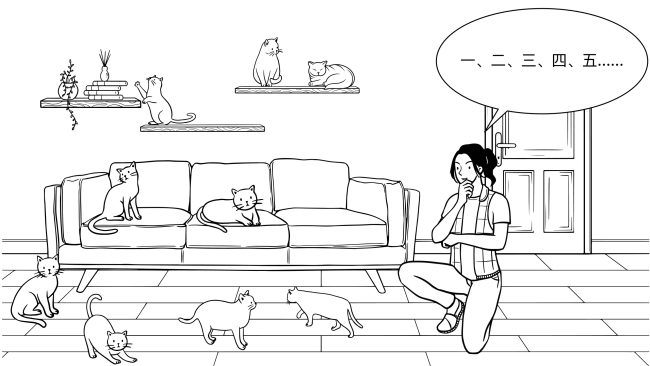
Numerals are words that express numbers and quantities. The basic numerals (1-9) are as follows:
| 一 | 二 | 三 | 四 | 五 | 六 | 七 | 八 | 九 |
| yī | èr | sān | sì | wǔ | liù | qī | bā | jiǔ |
| one | two | three | four | five | six | seven | eight | nine |
The numbers from 10 to 99 follow a regular structure. The number 11 (shíyī 十一) is formed by placing “one” after “ten,” which can be interpreted as “ten and one.” The number 21 (èrshíyī 二十一) is formed by placing “one” after “twenty,” understood as “twenty and one,” and so on.
| 十 | 十一 | 十二 | 十三 | 十四 | 十五 | 十六 | 十七 | 十八 | 十九 |
| shí | shíyī | shí’èr | shísān | shísì | shíwǔ | shíliù | shíqī | shíbā | shíjiǔ |
| ten | eleven | twelve | thirteen | fourteen | fifteen | sixteen | seventeen | eightteen | nineteen |
| 二十 | 二十一 | 三十九 | 五十六 | 七十二 | 九十四 |
| èrshí | èrshíyī | sānshíjiǔ | wǔshíliù | qīshí’èr | jiǔshísì |
| twenty | twenty-one | thirty-nine | fifty-six | seventy-two | ninety-four |
Large numbers above 99 have the following special numerals: bǎi 百 ‘hundred’, qiān 千 ‘thousand’, wàn 万/萬 ‘ten thousand’, and yì 亿 ‘hundred million’. These are normally preceded by other numerals. For example, yì bǎi 一百 ‘one hundred’, sān qiān 三千 ‘three thousand’, wǔ wàn 五万/五萬 ‘fifty thousand’, and yí yì 一亿/一億 ‘one hundred million’.
Note that when yī 一 occurs before bǎi 百, qiān 千, wàn 万/萬, and yì 亿, its tone should be changed to yì bǎi 一百, yì qiān 一千, yí wàn 一万/萬, and yí yì 一亿.
Structure
For numbers over 100, the basic order is as follows:
About numbers over 100, here are some points to keep in mind:
1. The use of èr 二 and liǎng 两/兩
When the number ‘two’ is used in isolation, for example, when counting, it is èr 二 and in numbers like 22, it should be èrshí’èr 二十二.
However, when placed before units such as bǎi 百, qiān 千, wàn 万, and yì 亿/億, the number ‘two’ can be expressed by either liǎng 两/兩 or èr 二. The choice between these two varies according to region and style. For example, two hundred can be expressed as either liǎng bǎi 两百/兩百 or èr bǎi 二百, and two thousand can be said as liǎng qiān 两千/兩千 or èr qiān 二千. Here are more examples:
| Simplified character | Traditional character | Pinyin | Meaning |
| 两百二十二 | 兩百二十二 | liǎng bǎi èrshí’èr | 222 |
| 二千五百 | 二千五百 | èr qiān wǔ bǎi | 2,500 |
| 两万一千两百 | 兩萬一千兩百 | liǎng wàn yì qiān liǎng bǎi | 21,200 |
In spoken Chinese, numbers are often shortened when they are used by themselves (that is, not followed by a noun). If the last unit of the number is qiān 千 ‘thousand’, bǎi 百 ‘hundred’, or shí 十 ‘ten’, this unit can usually be left out. For example, liǎng qiān wǔ bǎi 两千五百/兩千五百 ‘2,500’ is often simply liǎng qiān wǔ 两千五/兩千五. However, the number liǎng 两/兩 cannot stand alone at the end of an expression. Because of this, liǎng wàn yì qiān liǎng bǎi 两万一千两百/兩萬一千兩百 ‘21,200’ cannot be shortened to liǎng wàn yì qiān liǎng. Instead, èr 二 is used: liǎng wàn yì qiān èr 两万一千二/兩萬一千二.
2. The use of líng 零 ‘zero’
When a zero appears in the middle of a number over 100, líng 零 must be inserted into the number. For example, 102 should be written as yì bǎi líng èr 一百零二. The numeral líng 零 should not be placed before shí 十, bǎi 百, qiān 千, wàn 万, and yì 亿/億. Here are some examples:
| Simplified character | Traditional character | Pinyin | Meaning |
| 一百零四 | 一百零四 | yì bǎi líng sì | 104 |
| 两千零二十八 | 两千零二十八 | liǎng qiān líng èrshíbā | 2,028 |
| 三千零一 | 三千零一 | sān qiān líng yī | 3,001 |
| 五万零六百 | 五萬零六百 | wǔ wàn líng liù bǎi | 50,600 |
In spoken usage, when a number contains líng 零, the final unit generally cannot be omitted. For example, wǔ wàn líng liù bǎi 五万零六百/五萬零六百 cannot be shortened to wǔ wàn líng liù 五万零六/五萬零六, as the abbreviation would change the meaning to 50,006.
Note that líng 零 can also be written as líng 〇, which is commonly used in dates, phone numbers, room numbers, and similar contexts.
3. The use of yīshí 一十 ‘ten’
When a number range between 10 and 19 occurs as part of a numeral above 100, yī 一 ‘one’ must be explicitly included before shí 十. For example, 115 must be expressed as yì bǎi yī shí wǔ 一百一十五. Here are more examples:
| Simplified character | Traditional character | Pinyin | Meaning |
| 五百一十 | 五百一十 | wǔ bǎi yīshí | 510 |
| 两百一十九 | 兩百一十九 | liǎng bǎi yīshíjiǔ | 219 |
| 一千四百一十三 | 一千四百一十三 | yì qiān sì bǎi yīshísān | 1,413 |
| 两千零一十六 | 兩千零一十六 | liǎng qiān líng yīshíliù | 2,016 |
4. Tips for using wàn 万/萬 ‘ten thousand’ and yì 亿/億 ‘hundred million’
The two numeric units wàn 万/萬 ‘ten thousand’ and yì 亿/億 ‘hundred million’ are multiplied with other numerals to form large numbers. This usage is not attested in English and most European languages, which may confuse learners.
In English, large numbers are generally grouped by three digits (e.g., 15,000), while Chinese tends to group numbers by four digits. It is thus helpful to mentally reframe numbers using this four-digit structure. For instance, 15,000 is grouped as “1,5000”, which corresponds to the phrase yí wàn wǔ qiān 一万五千/一萬五千, as if saying “one ten-thousand and five thousand.”
To facilitate reading and writing numbers, it is important to remember that wàn 万/萬 represents four digits and yì 亿/億 represents eight digits. A practical way to convert between the English and Mandarin number systems is to begin by writing the number in English, then reposition the comma according to four-digit-division, then substitute each comma with the corresponding Chinese numeral unit.
| Original number | Comma reposition | Chinese unit substitution | Pinyin | |
| 12,500 | 1,2500 | 一万两千五百 | 一萬兩千五百 | yí wàn liǎng qiān wǔ bǎi |
| 4,701,350 | 470,1350 | 四百七十万一千三百五十 | 四百七十萬一千三百五十 | sì bǎi qī shí wàn yì qiān sān bǎi wǔshí |
| 153,000,219 | 1,5300,0219 | 一亿五千三百万零二百一十九 | 一億五千三百萬零二百一十九 | yí yì wǔ qiān sān bǎi wàn líng èr bǎi yīshíjiǔ |