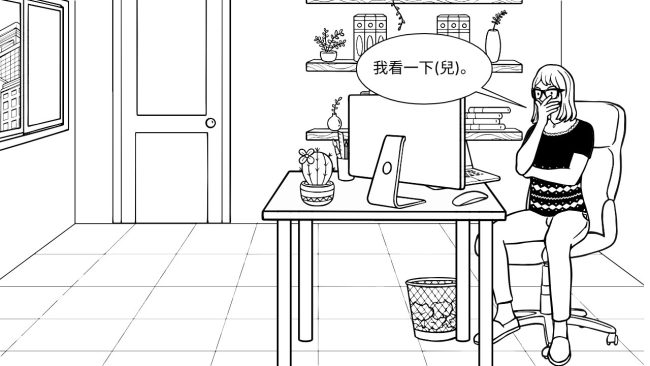

一下(儿)
yíxià(r)
Verbal measure word

HSK2 TBCL2

Yíxià(r) 一下(儿)/一下(兒) is a verbal measure word used after a verb to describe an action. It modifies the verb and describes the action as being brief or tentative.

Note, the ‘儿´ after yíxià(r) 一下(儿)/一下(兒) is optional.
Structure

Basic form

Yíxià(r) 一下(儿)/一下(兒) is placed after the verb.

Subject
verb
kàn
一下(儿)
一下(儿)。
一下(兒)。
yíxià(r).
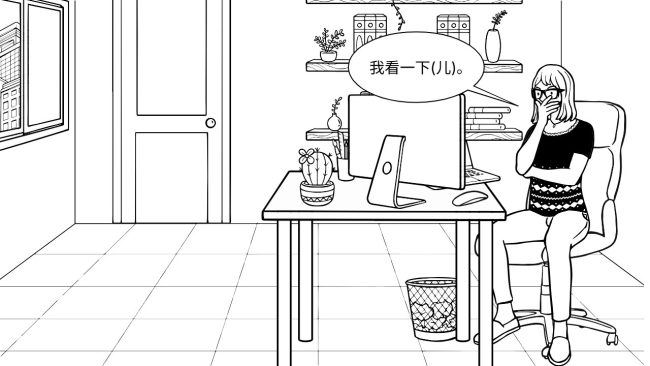
Let me take a look.
休息
休息
xiūxi
一下(儿)。
一下(兒)。
yíxià(r).
You take a rest.

If there is an object in the sentence, the object is placed after yíxià(r) 一下(儿)/一下(兒).

Subject
verb
shì
一下(儿)
一下(儿)
一下(兒)
yíxià(r).
object
裤子。
褲子。
kùzi.
I'll try on the trousers.

When the object is a personal pronoun, such as ‘I; me’, the object is usually placed between the verb and yíxià(r) 一下(儿)/一下(兒).

Subject
verb
děng
object
一下(儿)
一下(儿)。
一下(兒)。
yíxià(r).
Wait for me a moment.

The verb describing the action can be preceded by modal verbs such as xiǎng ‘want‘, yào ‘want; need‘, or yīnggāi 应该/應該 ‘should; ought‘ to express different ways of refusal, reminders, or commands. The modal verb is placed before the main verb and yíxià(r) 一下(儿)/一下(兒) is still placed after the main verb.

Subject
modal verb
xiǎng
verb
shì
一下(儿)
一下(儿)
一下(兒)
yíxià(r)
object
裤子。
褲子。
kùzi.
I want to try on the trousers.

Question

There are two ways to form a yes-no question.
One way is to add the question particle ma 吗/嗎 at the end of the sentence.

Subject
modal verb
xiǎng
verb
shì
一下(儿)
一下(儿)
一下(兒)
yíxià(r)
object
裤子
褲子
kùzi
吗?
嗎?
ma?
Do you want to try on the trousers?

If the sentence contains a modal verb, a yes-no question can be formed by combining the affirmative and negative forms of the modal verb. Usually, a modal verb is used in this type of question to soften the tone.

Subject
modal verb
xiǎng
bu
modal verb
xiǎng
verb
shì
一下(儿)
一下(儿)
一下(兒)
yíxià(r)
object
裤子?
褲子?
kùzi?
Do you want to try on the trousers?

With adverbs

Adverbs, such as dōu ‘both, all’ and ‘also’ are placed before the verb.

Subject
adverb
verb
休息
休息
xiūxi
一下(儿)
一下(儿)。
一下(兒)。
yíxià(r).
I will take a rest too.

If there is a modal verb in the sentence, adverbs usually precede the modal verb.

Subject
adverb
modal verb
xiǎng
verb
shì
一下(儿)
一下(儿)
一下(兒)
yíxià(r)
object
裤子。
褲子。
kùzi.
I also want to try on the trousers.

With prepositional phrase

A prepositional phrase should be placed before the main verb and after the modal verb if is there is any.

Subject
modal verb
xiǎng
prepositional phrase
在这儿
在這兒
zài zhèr
verb
shì
一下(儿)
一下(儿)
一下(兒)
yíxià(r)
object
裤子。
褲子。
kùzi.
I'd like to try the trousers on here.

Functions

1. Yíxià(r) 一下(儿)/一下(兒) indicating a brief action

我介绍一下自己。
我介紹一下自己。
Wǒ jièshào yíxià zìjǐ.
Let me briefly introduce myself.
这儿很美, 我拍一下。                         
這兒很美, 我拍一下。
Zhèr hěn měi, wǒ pāi yíxià. 
This place is beautiful, I will take a quick picture.
我出去一下。       
我出去一下。
Wǒ chūqù yíxià.
I'm going out for a bit. 

2. Yíxià(r) 一下(儿)/一下(兒) softening the tone

Yíxià(r) 一下(儿)/一下(兒) softens the tone of requests or commands, making them sound less direct and more polite. The subject is soften left out in imperative sentences or when it is clear in the context.

请(你)来一下我的办公室。    
請(你)來一下我的辦公室。
Qǐng (nǐ) lái yíxià wǒ de bàngōngshì.
Please come to my office. 
请(你)看一下。    
請(你)看一下。
Qǐng (nǐ) kàn yíxià.
Please take a look.
休息一下。
休息一下。
Xiūxi yíxià.
Rest for a while.
A: (你)可以来帮我一下吗?
(你)可以來幫我一下嗎?
(Nǐ) kěyǐ lái bāng wǒ yíxià ma?
Can you come and help me for a moment?
B: 当然可以。                                                
當然可以。
Dāngrán kěyǐ.
Of course.

3. Yíxià(r) 一下(儿)/一下(兒) expressing ‘to give something a try’

Yíxià(r) 一下(儿)/一下(兒) suggests performing an action as a quick attempt or experiment, often to see how it goes. In this usage, yíxià(r) 一下(儿)/一下(兒) functions similarly to verb reduplication, making the action seem lighter or more casual.

我写一下这个字。                                                
我寫一下這個字。
Wǒ xiě yíxià zhè ge zì.
Let me give writing this character a try.
让我想一下。                                          
讓我想一下。
Ràng wǒ xiǎng yíxià.
Let me think for a moment.
请试一下这个菜。                                       
請試一下這個菜。
Qǐng shì yíxià zhè ge cài.
Please try this dish. 
我想看一下那本书。                               
我想看一下那本书。
Wǒ xiǎng kàn yíxià nà běn shū.
I’d like to have a quick look at that book.  

Also check: Reduplication of verbs
Also check: Yìdiǎn(r) 一点(儿) v.s. yíxià(r) 一下(儿)
Also check: Yìdiǎn(r) 一点(儿)