

 en
en cs
cs da
da de
de it
it pl
plThe pattern (jiù)yào…le (就)要……了 ‘about to…’ is used to indicate that an event that is happening soon, as if saying “something is about to…”. The 了 in this pattern is the modal particle le 了, which indicates a change of circumstances.
Other patterns with a similar meaning is kuàiyào…le 快要……了.
Note that some time nouns or adverbs implying “immediately” or “quickness” (such as yíhuìr 一会儿 or mǎshàng 马上) are often used with (jiù)yào…le (就)要……了, but they typically do not occur with kuàiyào…le 快要……了.
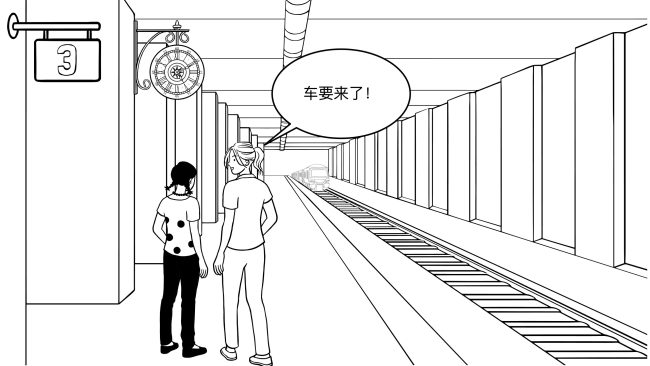
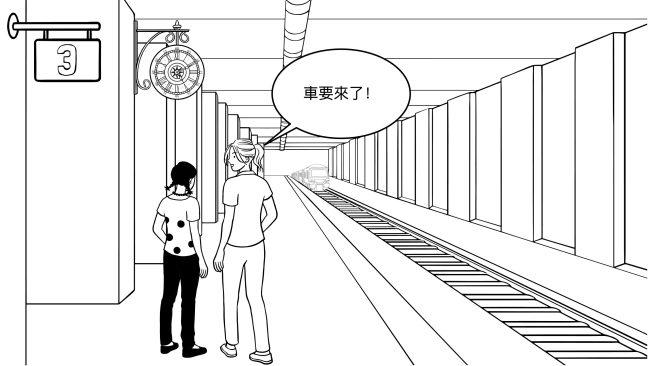
Structure
Only verbs or adjectives can be inserted between the first item (yào 要, jiùyào 就要, kuàiyào 快要) and le 了.
Negation
These patterns are fixed and cannot be negated. However, they can still co-occur with negated forms.
Questions
There are two ways of asking questions. One is to add the question particle ma 吗/嗎 at the end of the sentence.
The other is to use the shì bu shì 是不是 ‘whether or not’ before the pattern.
With Adverbs or time nouns
Only yào…le 要……了 or jiùyào…le 就要……了 can be used with time nouns or adverbs implying “immediately” or “quickness”.
Functions
Indicating an “about-to-happen” event
In spoken Chinese, the pattern kuàiyào…le 快要……了 can be shortened as kuài…le 快……了.
Some nouns can be used with this pattern in the context of talking about age or an upcoming time. However, this kind of usage is limited and cannot be applied to all the nouns. Below are some typical examples: