

 en
en cs
cs da
da de
de it
it pl
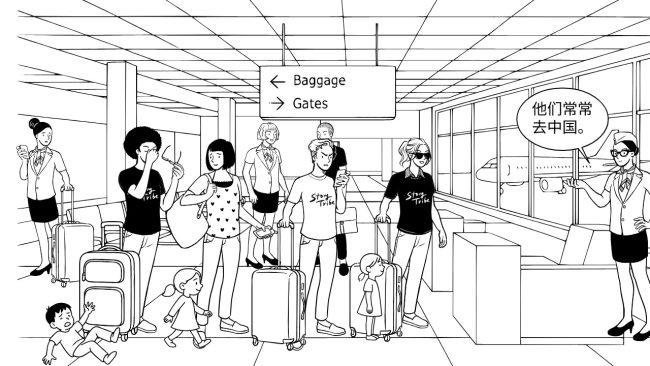
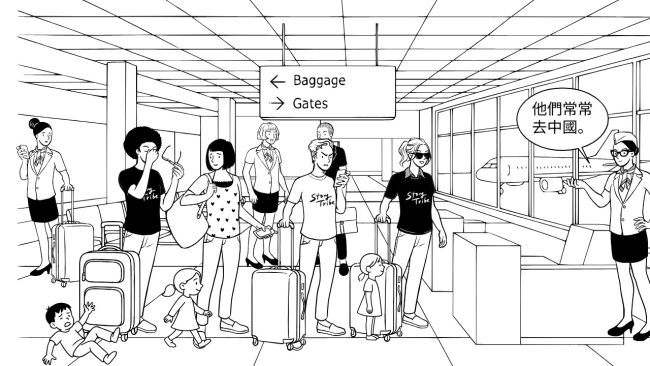
plChángcháng 常常 is an adverb used to describe actions that happen frequently. Corresponding to ‘often’ or ‘frequently’ in English.
Especially in formal and written contexts, chángcháng 常常is also used in its monosyllabic form cháng 常. In daily speech jīngcháng 经常 is often used instead of chángcháng 常常.
Structure
Basic form
Chángcháng 常常 is placed after the subject and before the verb or adjective predicate.
In sentences with an adjective predicate, chángcháng 常常 can only be used with adjectives describing temporary or changeable conditions or feelings that can happen repeatedly, such as máng 忙 ‘busy’, lèi 累 ‘tired’, gāoxìng 高兴/高興 ‘happy’, or lěng 冷 ‘cold’. It cannot occur with those describing permanent traits, such as gāo 高 ‘tall’, cōngmíng 聪明/聰明 ‘intelligent’, piàoliang 漂亮 ‘beautiful’ or those which happen only once. In affirmative sentences hěn 很 comes before the adjective.
Negation
A sentence with chángcháng 常常 is usually negated with the negation adverb bù 不 and chángcháng 常常 mostly occurs in its monosyllabic form cháng 常.
In order to say that something rarely happens bù 不 should be placed in front cháng 常. Bù cháng 不常 ‘not often’ carries a neutral tone. It is often used to describe general habits or objective observations.
When the negation adverb bù 不 is placed after cháng 常, this implies that someone often doesn’t do something. It is less common than bù cháng 不常. Cháng bù 常不 often carries a tone of criticism, complaint, or surprise about the repeated absence of an action. Note, here chángcháng 常常 can also be used.
Question
To form a yes-no question simply add the question particle ma 吗/嗎 at the end of the sentence.
With adverbs
The most common and neutral pattern for adverbs such as yě 也 ‘also’ and hái 还/還 ‘still’ is before chángcháng 常常. Here, the first adverb connects the action to a previous idea, and chángcháng 常常simply provides the frequency.
With a prepositional phrase
Chángcháng 常常 is usually placed before a prepositional phrase.
Functions
At its core, chángcháng 常常 indicates that an action or state occurs frequently.
1. Chángcháng 常常 Expressing Habitual or Repeated Actions
This is the most basic and common use. Chángcháng 常常 indicates that someone does something regularly. It answers the implicit question ‘How often does this happen?’ and can be used to state facts or describe routines, such as personal habits or daily life activities.
2. Chángcháng 常常 Expressing Recurring States
When paired with an adjective chángcháng 常常 can describe recurring emotional or physical states, emphasising that a condition happens frequently but not permanently. This can be used to talk about moods or physical sensations that occur regularly or repeatedly.
3. Chángcháng 常常 Expressing Emphasis or Mild Complaint
In spoken language chángcháng 常常 can add a subjective and slightly emotional tone, making the statement not just about frequency, but also expressing how the speaker feels about it. It is often used to complain, show annoyance, or express feelings.