

 en
en cs
cs da
da de
de it
it pl
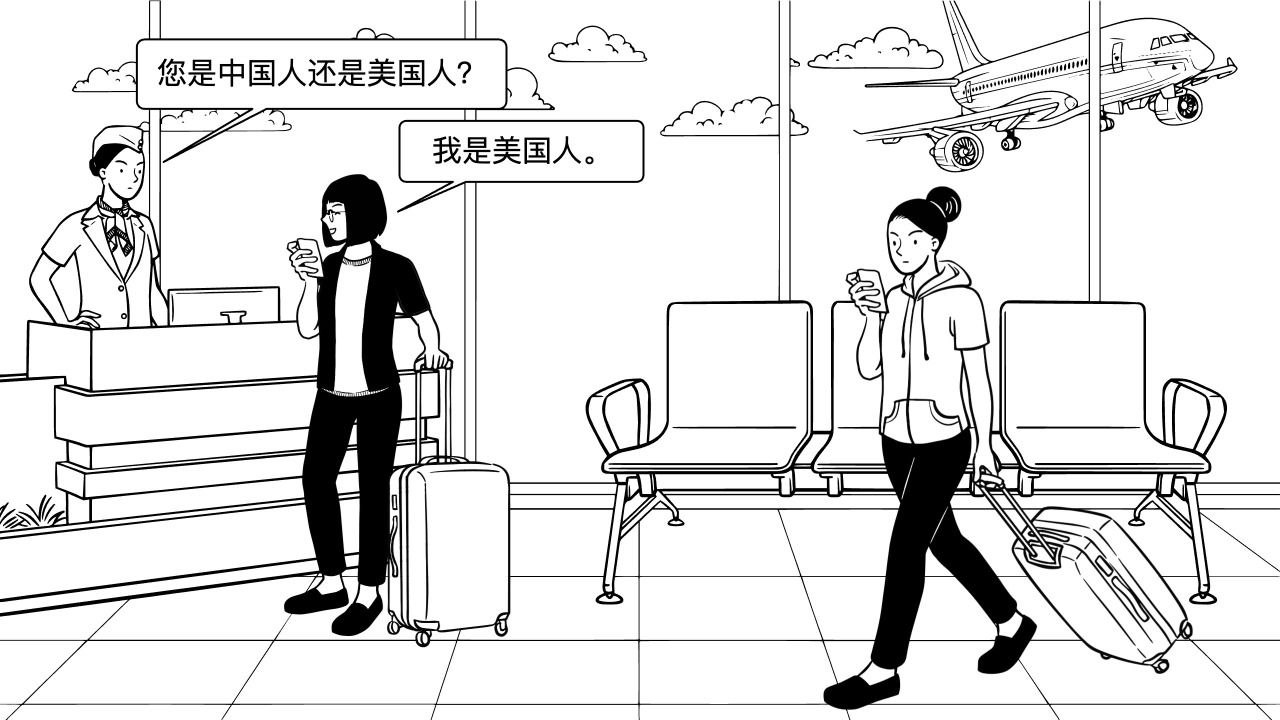
plHáishi 还是/還是 ‘or’ is a disjunctive conjunction, which is mainly used in alternative questions to offer two or more choices. It can also be used in indirect questions to express the subject’s lack of knowledge or uncertainty about the presented options.
Structure
Questions
Háishi 还是/還是 is used in interrogative sentences to offer two or more choices. In this type of question the speaker asks a question presenting two or more possible options, and he expects the listener to choose only one of them as his answer. The conjunction háishi 还是/還是 can connect words that serve similar functions in a sentence, such as subjects or objects. It can also link larger linguistic units, such as verbal phrases or entire clauses. In these questions, the question particle ma 吗/嗎 cannot be placed at the end of the sentence.
When the options connected by the conjunction háishi 还是/還是 are verb phrases that share the verb shì 是 ‘to be’ followed by different objects, the verb shì 是 in the subsequent options is usually omitted.
When the options connected by the conjunction háishi 还是/還是 are verb phrases that share the same verb followed by different objects, the verb in the subsequent options can be omitted.
An exception is made for questions with monosyllabic verbs or objects. In such questions, the verb cannot be omitted in the subsequent options.
Indirect questions
Háishi 还是/還是 can also be used in an indirect question within a declarative sentence. Such sentences often include phrases like bù zhīdào 不知道 ‘do not know’ or bù qīngchu 不清楚 ‘be not sure’. Although the sentence contains an interrogative element (háishi 还是/還是), it does not express a question but rather the subject’s lack of knowledge or uncertainty about the presented options.
Functions
1. Háishi 还是/還是 offering choices
Háishi 还是/還是 is used in alternative questions to present two or more alternatives, where usually only one can be chosen. The speaker directly asks the listener to select between the two or more options.
Sometimes, the listener might choose to accept or reject both options by using dōu 都 ‘both, all’ in the reply, placed before the verb.
Also check Comparison: conjunctions huòzhě 或者 and háishi 还是/還是 ‘or’
2. Háishi 还是/還是 indicating lack of knowledge or uncertainty about options
Háishi 还是/還是 can also appear in indirect questions within declarative sentences to express the subject’s lack of knowledge or uncertainty about the presented options. These sentences often include phrases like bù zhīdào 不知道 ‘do not know’ or bù qīngchu 不清楚 ‘be not sure’.