Similar to the construction “not only … but also …” In English, when wanting say the second point goes “even further” than the first point, the construction búdàn…érqiě (yě) 不但……,而且(也)…… is commonly used in Chinese. This structure is not just listing two facts but expressing an increased degree. In other words, the second clause serves to reinforce, intensify, or further develop the idea introduced in the first clause.
Structure
1. Using búdàn…,érqiě (yě) 不但……,而且(也)
It’s very common to use búdàn…érqiě (yě) 不但…… 而且(也) as a pair in order to combine the first point and the stronger point. If the subjects of the two clauses are identical, the conjunction búdàn 不但 should be placed after the subject in the first clause. In this use, the adverb yě 也 is optional.
subject + 不但…,
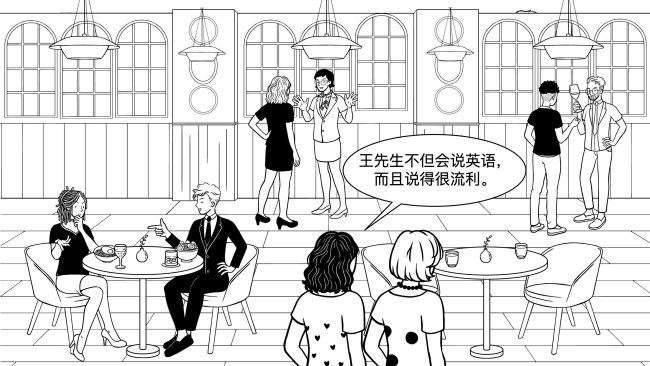
王先生不但会说英语,
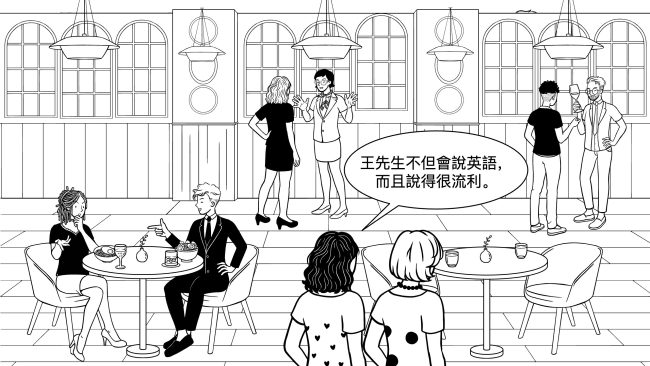
王先生不但會說英語,
Wáng xiānsheng búdàn huì shuō Yīngyǔ,
而且(也) + a stronger or deeper point
而且说得很流利。
而且說得很流利。
, érqiě shuō de hěn liúlì.
Mr. Wang not only can speak English but also speaks it very fluently.
subject + 不但…,
坐地铁不但快,
坐地鐵不但快,
Zuò dìtiě búdàn kuài,
而且(也) + a stronger or deeper point
而且也方便。
而且也方便。
érqiě yě fāngbiàn.
Taking the underground is not only fast but also convenient.
subject + 不但…,
他不但想学英语,
他不但想學英語,
Tā búdàn xiǎng xué Yīngyǔ,
而且(也) + a stronger or deeper point
而且也想学日语。
而且也想學日語。
érqiě yě hái xiǎng xué Rìyǔ.
He not only wants to learn English, but also wants to learn Japanese.
2. Using búdàn 不但……,(érqiě 而且)……yě 也
When the subjects of two clauses are different, búdàn 不但 should be placed before the subject of the first clause. In this use, it is common to use the adverb yě 也 in the second clause, whereas érqiě 而且 is optional.
不但 Subject 1…,
不但妈妈喜欢吃中国菜,
不但媽媽喜歡吃中國菜,
Búdàn māma xǐhuan chī Zhōngguó cài,
(而且) Subject 2 也 + a stronger or deeper point
爸爸也喜欢。
爸爸也喜歡。
bàba yě xǐhuan.
Not only mum likes eating Chinese food, dad likes it too.
不但 Subject 1…,
这儿不但茶好喝,
這兒不但茶好喝,
Zhèr búdàn chá hǎohē,
(而且) Subject 2 也 + a stronger or deeper point
而且咖啡也好喝。
而且咖啡也好喝。
érqiě kāfēi yě hǎohē.
Here, not only the tea is good, but the coffee is, too.
不但 Subject 1…,
不但他想学英语,
不但他想學英語,
Búdàn tā xiǎng xué Yīngyǔ,
(而且) Subject 2 也 + a stronger or deeper point
我也想学。
我也想學。
wǒ yě xiǎng xué.
Not only does he want to learn English, I want to learn it too.
3. Using érqiě 而且 ‘and also’, gèng 更 ‘even more’ or hái 还/還 ‘also, in addition’ in the second clause
In addition to the above-mentioned fixed pattern, it is also possible to use the conjunction érqiě 而且 or adverbs such as gèng 更 and hái 还/還 in the second clause to add a stronger or deeper point.
first clause,
我的爸爸会跳舞,
我的爸爸會跳舞,
Wǒ de bàba huì tiào wǔ,
而且/更/还 + a stronger or deeper point
而且跳得非常好。
而且跳得非常好。
érqiě tiào de fēicháng hǎo.
My dad can dance, and he dances very well.
first clause,
昨天非常热,
昨天非常熱,
Zuótiān fēicháng rè,
而且/更/还 + a stronger or deeper point
今天更热。
今天更熱。
jīntiān gèng rè.
It was very hot yesterday and it’s even hotter today.
first clause,
她学习很认真,
她學習很認真,
Tā xuéxí hěn rènzhēn,
而且/更/还 + a stronger or deeper point
还经常帮助同学。
還經常幫助同學。
hái jīngcháng bāngzhù tóngxué.
She studies very diligently and also often helps her classmates.
first clause,
他想学英语,
他想學英語,
Tā xiǎng xué Yīngyǔ,
而且/更/还 + a stronger or deeper point
还想学日语。
還想學日語。
hái xiǎng xué Rìyǔ.
He wants to learn English and he also wants to learn Japanese.
Functions
Intensifying or deepening a meaning
No matter whether using búdàn…érqiě (yě) 不但……,而且(也)……, or the standalone conjunction érqiě 而且 or adverbs such as gèng 更 and hái 还/還, here, the second clause does more than add information; it emphasizes, highlights, or develops the initial idea of the first clause. Its main functions are to emphasize something, highlight the most important information and make the logic more coherent and persuasive.
这个地方春天很美,冬天更美。
這個地方春天很美,冬天更美。
Zhège dìfang chūntiān hěn měi, dōngtiān gèng měi.
This place is very beautiful in spring, and even more beautiful in winter.
弟弟昨天特别饿。他吃了两碗面条,还吃了三碗米饭。
弟弟昨天特別餓。他吃了兩碗麵條,還吃了三碗米飯。
Dìdi zuótiān tèbié è. Tā chī le liǎng wǎn miàntiáo, hái chī le sān wǎn mǐfàn.
My younger brother was particularly hungry yesterday. He ate two bowls of noodles and, in addition, three bowls of rice.
A: 这杯茶真好喝!
A: 這杯茶真好喝!
Zhè bēi chá zhēn hǎohē!
This cup of tea is really delicious!
B: 是的。茶不但好喝,而且也很健康。
B: 是的。茶不但好喝,而且也很健康。
Shì de. Chá búdàn hǎohē, érqiě yě hěn jiànkāng.
Yes. Tea is not only delicious to drink, but also very healthy.
A: 听说他不会开车。
A: 聽說他不會開車。
Tīngshuō tā bú huì kāi chē.
I heard he can’t drive.
B:开车很难! 不但他不会,我也不会。
B:開車很難! 不但他不會,我也不會。
Kāi chē hěn nán! Búdàn tā bú huì, wǒ yě bú huì.
Driving is hard! Not only can he not drive, I can’t either.


 en
en cs
cs da
da de
de it
it pl
pl