
Menu

什么/什麼
什么/什麼
shénme
interrogative pronoun

The pronoun shénme 什么/什麼 is used in interrogative sentences to ask about people or things meaning 'what'. It can also occur in affirmative sentences to express indefiniteness meaning ' something; anything', and in constructions expressing generalization meaning 'any; every'.
HSK1 TBCL1
shenme sim shenme tra

Structure

Questions

The interrogative pronoun shénme 什么/什麼 ‘what’ is often used in questions about things.
It usually occupies the object position.

subject
Zhè
object
shì
什么/什麼
什么?
什麼?
shénme?
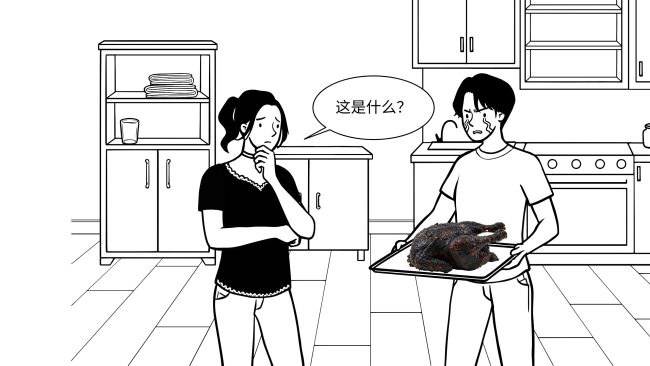
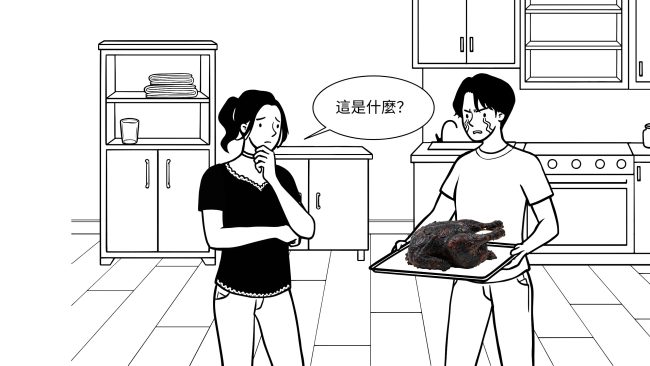
What is this?
什么?
什麼?
shénme?
What are you drinking?
什么?
什麼?
shénme?
What is he afraid of?

In this position, it can be preceded by expressions: (yì)diǎnr (一)点儿 / (一)點兒 ’a little’ or (yì)xiē (一)些 ‘a few, some’, which in this usage usually soften the tone of the utterance.

subject
object
chī
点儿/點兒
点儿
點兒
diǎnr
什么/什麼
什么?
什麼?
shénme?
What would you like to eat?
subject
object
shuō
xiē
什么/什麼
什么?
什麼?
shénme?
What did he say?

It can also function as a subject, but it is used this way much less frequently and mainly with certain verbs describing relationships (like shì ‘to be’, jiào ‘to call’, ‘to name’).

什么/什麼
什么
什麼
Shénme
verb
shì
object
自由?
自由?
zìyóu?
What is freedom?
什么
什麼
Shénme
jiào
聰明?
聰明?
cōngming?
What does it mean to be smart?

It can also function as an attributive modifier. In this role, it stands before the subject or the object, and usually does not combine with the particle de .

subject
Zhè
verb
shì
什么/什麼
什么
什麼
shénme
object
东西?
東西?
dōngxi?
What kind of thing is this?
喜欢
喜歡
xǐhuan
什么
什麼
shénme
音乐?
音樂?
yīnyuè?
What kind of music do you like?
什么/什麼
什么
什麼
Shénme
subject
rén
predicate
最聪明?
最聰明?
zuì cōngming?
What kind of people are the smartest?
什么
什麼
Shénme
颜色
顏色
yánsè
最合适?
最合適?
zuì héshì?
What colour is the most suitable?

In some sentences, the interrogative phrase with the pronoun shénme 什么/什麼 ’what’ expresses a relation of possession. In such cases, the question is about the thing the phenomenon indicated by the object is related to. In these sentences, the structural particle de must be used after the pronoun.

subject
verb
shì
什么/什麼
什么
什麼
shénme
de
object
声音?
聲音?
shēngyīn?
What sound is that? (What is the source of this sound?)
Zhè
shì
什么
什麼
shénme
de
味道?
味道?
wèidao?
What is that smell? (What is smelling like that?)

The pronoun shénme 什么/什麼  can also be used in yes-no questions with the particle ma /. In such sentences it does not express any question but indefiniteness (‘any’, ‘anything’).

It may appear in the object position. 

subject
verb
需要
需要
xūyào
什么/什麼
什么
什麼
shénme
吗/嗎
吗?
嗎?
ma?
Do you need anything?

It can also function as an attributive modifier before the object.

subject
verb
yǒu
什么/什麼
什么
什麼
shénme
object
shì
吗/嗎
吗?
嗎?
ma?
Is there anything I can help you with? / Do you need anything?
yǒu
什么
什麼
shénme
消息
消息
xiāoxi
吗?
嗎?
ma?
Do you have any news?

Statements

In affirmative sentences the pronoun shénme 什么/什麼 expresses indefiniteness (‘some’, ‘something’). It usually occurs in the position of object or its attributive modifier.

subject
verb phrase
应该吃
應該吃
yīnggāi chī
attributive
点儿
點兒
diǎnr
什么/什麼
什么。
什麼。
shénme.
You should eat something.
subject
verb phrase
应该给他买
應該給他買
yīnggāi gěi tā mǎi
什么/什麼
什么
什麼
shénme
object
礼物。
禮物。
lǐwù.
I should buy him some gift.

The pronoun shénme 什么/什麼 can also combine with the adverb dōu ’all’ to form a construction expressing generalization (‘everything’). This construction conveys the idea that the predicate refers to all things within a given range. In this case the pronoun shénme 什么/什麼 can appear in the subject position at the beginning of the sentence. 

什么/什麼
什么
什麼
Shénme
dōu
predicate
是白的。
是白的。
shì bái de.
Everything is white.
什么
什麼
Shénme
dōu
很好。
很好。
hěn hǎo.
Everything is OK. / Everything is great.

The pronoun shénme 什么/什麼 can also function as the object, but in this case the shénme dōu 什么都/什麼都 ‘everything’ construction should be placed between the subject and the verb.

subject
什么/什麼
什么
什麼
shénme
dōu
verb
知道。
知道。
zhīdao.
You know everything.
什么
什麼
shénme
dōu
懂。
懂。
dǒng.
He understands everything.

Negation

In negative sentences the pronoun shénme 什么/什麼 expresses negative generalization (‘nothing’, ‘none’). It can occupy the object position (after the verb).

subject
verb
mǎi
什么/什麼
什么。
什麼。
shénme.
I am not buying anything.
subject
没/沒
méi
verb
chī
什么/什麼
什么。
什麼。
shénme.
He didn’t eat anything.

It can also function as attributive modifier and occur before the object of the sentence.

subject
Zhè
verb
需要
需要
xūyào
什么/什麼
什么
什麼
shénme
object
经验。
經驗。
jīngyàn.
This requires no experience.
subject
没/沒
méi
verb
yǒu
什么/什麼
什么
什麼
shénme
object
问题。
問題。
wèntí.
I don’t have any questions.

The pronoun shénme 什么/什麼 can also be combined with adverbs dōu ‘all’ and ‘not’/ méi / ‘not’/ méi yǒu 没有/沒有 ‘not’ (shénme dōu bù  什么都不 / 什麼都不 ‘nothing’ or shénme dōu méi 什么都没 / 什麼都沒 ‘nothing’) and used to express emphasis  (highlight negative generalization). Used in this way, 什么/什麼  can function as a subject and stand at the beginning of the sentence.

什么/什麼
什么
什麼
Shénme
dōu
predicate
好.
好.
hǎo.
Nothing is good.
什么/什麼
什么
什麼
Shénme
dōu
没/沒
méi
predicate
有。
有。
yǒu.
There is nothing (at all).

However, most of the time, the pronoun shénme 什么/什麼 functions as an object. Used in this way, it must be placed between the subject and the verb phrase.

subject
什么/什麼
什么
什麼
shénme
dōu
verb
知道
知道
zhīdao.
I don’t know anything. / I know nothing.
什么
什麼
shénme
dōu
明白。
明白。
míngbai.
He doesn’t understand anything. / He understands nothing.

The pronoun ‘also’ can be used instead of dōu ‘all’.

subject
什么/什麼
什么
什麼
shénme
verb
吃。
吃。
chī.
He is not eating anything.
什么
什麼
shénme
会。
會。
huì.
She can’t do anything.

In negative sentences the pronoun shénme 什么/什麼 can also modify the object which has been moved to the position before the verb phrase. The adverb ‘also’or dōu ‘all’ appears after the object.

subject
什么/什麼
什么
什麼
shénme
object
问题
問題
wèntí
dōu
没/沒
méi
verb
有。
有。
yǒu.
She doesn’t have any problems.
什么
什麼
shénme
水果
水果
shuǐguǒ
dōu
méi
买。
買。
mǎi.
I didn’t buy any fruits.
subject
什么/什麼
什么
什麼
shénme
object
东西
東西
dōngxi
verb
吃。
吃。
chī.
She is not eating anything.
什么
什麼
shénme
shū
看。
看。
kàn.
He doesn’t read any books.

With modal verbs

The interrogative pronoun shénme 什么/什麼 ‘what’ often occurs in sentences with modal verbs. The modal verbs usually precede the verb they refer to. The position of the pronoun depends on its function as described above.

subject
modal verb
yào
verb
gàn
什么/什麼
什么?
什麼?
shénme?
What are you going to do?
subject
modal verb
应该
應該
yīnggāi
verb
chī
attributive
点儿
點兒
diǎnr
什么/什麼
什么。
什麼。
shénme.
You should eat something.
subject
什么/什麼
什么
什麼
shénme
dōu
modal verb
xiǎng
verb
学。
學。
xué.
I want to learn everything.

In negative sentences the negation adverb stands before the modal verb, and the pronoun shénme 什么/什麼 ‘any, anything’ functions as an object or its attributive modifier.

subject
modal verb
xiǎng
verb
chī
什么/什麼
什么。
什麼。
shénme.
I don’t want to eat anything.
subject
什么/什麼
什么
什麼
shénme
object
huà
dōu
modal verb
xiǎng
verb
说。
說。
shuō.
He doesn’t want to say anything.

In prepositional phrases

The interrogative pronoun shénme 什么/什麼 ’what’ may appear in prepositional phrases.

subject
prepositional phrase
对什么
對什麼
duì shénme
verb phrase
不满意?
不滿意?
bù mǎnyì?
What are you dissatisfied with?
在什么地方
在什麼地方
zài shénme dìfang
工作?
工作?
gōngzuò?
Where (at what place) does he work?

Functions

1. Asking about things

Shénme 什么/什麼 ‘what’ in interrogative sentences can be used to ask about things.

这是什么?
這是什麼?
Zhè shì shénme?
What is this?
你喝点儿什么?
你喝點兒什麼?
Nǐ hē diǎnr shénme?
What would you like to drink?
你想买什么?
你想買什麼?
Nǐ xiǎng mǎi shénme?
What do you want to buy?
你喜欢什么?
你喜歡什麼?
Nǐ xǐhuan shénme?
What do you like?

2. Asking about properties

When placed before a noun it is used to ask about properties of things (‘what kind of’).

你喜欢听什么音乐?
你喜歡聽什麼音樂?
Nǐ xǐhuan tīng shénme yīnyuè?
What kind of music do you like (to listen to)?
你打算去什么地方旅游?
你打算去什麼地方旅遊?
Nǐ dǎsuan qù shénme dìfang lǚyóu?
Where (to what place) do you plan to travel?
你要跟他谈什么问题?
你要跟他談什麼問題?
Nǐ yào gēn tā tán shénme wèntǐ?
What issue do you want to discuss with him?

3. Expressing indefiniteness

When used in yes-no questions (with the particle ma /), in affirmative-negative questions or in declarative sentences, it can express indefiniteness (‘anything’, ‘any’, ‘something’, ‘some’).

你想喝点儿什么吗?
你想喝點兒什麼嗎?
Nǐ xiǎng hē diǎnr shénme ma?
Would you like to drink anything?
你有什么笔吗?
你有什麼筆嗎?
Nǐ yǒu shénme bǐ ma?
Do you have any pens?
你想不想买什么?
你想不想買什麼?
Nǐ xiǎng bu xiǎng mǎi shénme?
Do you want to buy anything?
天气这么热,你应该喝点儿什么。
天氣這麼熱,你應該喝點兒什麼。
Tiānqì zhème rè, nǐ yīnggāi hē diǎnr shénme.
It’s so hot, you should have something to drink.

4. Expressing negative generalization

When used in negative sentences it expresses negative generalization (‘none’, ‘nothing’).

我不想买什么。
我不想買什麼。
Wǒ bù xiǎng mǎi shénme.
I don’t want to buy anything.
我没有什么问题。
我沒有什麼問題。
Wǒ méi yǒu shénme wèntí.
I don’t have any questions. / I have no questions.

5. Expressing generalization

When used in affirmative sentences with the adverbs dōu ’all’ or ‘also’, it expresses generalization (‘everything’).

这里什么都很贵。
這裡什麼都很貴。
Zhèli shénme dōu hěn guì.
Everything is expensive here.
他什么都想学。
他什麼都想學。
Tā shénme dōu xiǎng xué.
He would like to learn everything.

6. Emphasizing negative generalization

When used in negative sentences with the adverbs dōu ’all’ or ‘also’, it expresses strengthened negative generalization (‘nothing’, ‘any’). 

我什么都不明白。
我什麼都不明白。
Wǒ shénme dōu bù míngbai.
I don’t understand anything.
他什么地方都没去过。
他什麼地方都沒去過。
Tā shénme dìfang dōu méi qù guo.
He has never been anywhere.

7. Expressing surprise or dissatisfaction

When used on its own, it can express surprise or dissatisfaction.

什么!都十点了,我们该走了!
什麼!都十點了,我們該走了!
Shénme! Dōu shí diǎn le, wǒmen gāi zǒu le!
What! It’s already ten o’clock. We should go.
什么!你还不知道吗?
什麼!你還不知道嗎?
Shénme! Nǐ hái bù zhīdao ma?
What! You still don’t know?
什么?你说什么?
什麼?你說什麼?
Shénme? Nǐ shuō shénme?
What? What did you say?
什么!他已经走了?
什麼!他已經走了?
Shénme! Tā yǐjīng zǒu le?
What! He’s already gone?

8. Asking about a reason

When used after certain verbs (e.g. ’to cry’, xiào ‘to laugh’, be afraid, ‘to rush’), it can express a question about the reason.

你笑什么?
你笑什麼?
Nǐ xiào shénme?
What are you laughing at?
你哭什么?
你哭什麼?
Nǐ kū shénme?
Why are you crying?

In some context such sentences can be used by the speaker to ask about an unreasonable behavior.   

你笑什么?没什么可笑的。
你笑什麼?沒什麼可笑的。
Nǐ xiào shénme? Méi shénme kěxiào de.
What are you laughing at? There is nothing funny.
挤什么?先下后上!
擠什麼?先下後上!
Jǐ shénme? Xiān xià hòu shàng!
Why are you pushing? Let people get off first, then get on.
你跑什么,还早呢!
你跑什麼,還早呢!
Nǐ pǎo shénme, hái zǎo ne!
Why are you running, it’s still early.

9. Expressing different point of view

When used after certain adjectives (e.g. niánqīng 年轻/年輕 ‘young’, máfan 麻烦/麻煩 ‘troublesome, hǎo ‘good’, ‘big’, piàoliang 漂亮 ’beautiful’ etc.) in response to a speaker’s statement, it expresses a position different from the one previously presented. 

A: 你还很年轻。
A: 你還很年輕。
Nǐ hái hěn niánqīng.
You are still very young.
B: 年轻什么,都五十多了。
B: 年輕什麼,都五十多了。
Niánqīng shénme, dōu wǔshí duō le.
Young? I am already over fifty.
A: 太麻烦你啦!
A: 太麻煩你啦!
Tài máfan nǐ la!
I have troubled you so much!
B: 一点儿小事,麻烦什么?
B: 一點兒小事,麻煩什麼?
Yìdiǎnr xiǎo shì, máfan shénme?
No trouble at all, it was nothing.

10. Replacing unlisted items

When used with a particle de at the end of a list of items, it replace the remaining unlisted things (similar to those mentioned in the sentence).

我喜欢唱歌、跳舞什么的。
我喜歡唱歌、跳舞什麼的。
Wǒ xǐhuan chǎng gē, tiào wǔ shénme de.
I like singing, dancing, and things like that.

Shénme de 什么的/什麼的 ‘and things like that’ can be used after only one item.

他不喜欢跑步什么的,就爱看电影。
他不喜歡跑步什麼的,就愛看電影。
Tā bù xǐhuan pǎo bù shénme de, jiù ài kàn diànyǐng.
He doesn’t like running and anything like that, he just loves watching movies.

This form is typical of colloquial language.