

 en
en cs
cs da
da de
de it
it pl
plThe adverb hái 还/還 has multiple functions in Chinese depending on the context it is used in. Here, we focus on two of the most basic and common usages:
Expressing ‘also; in addition’
Expressing ‘still’
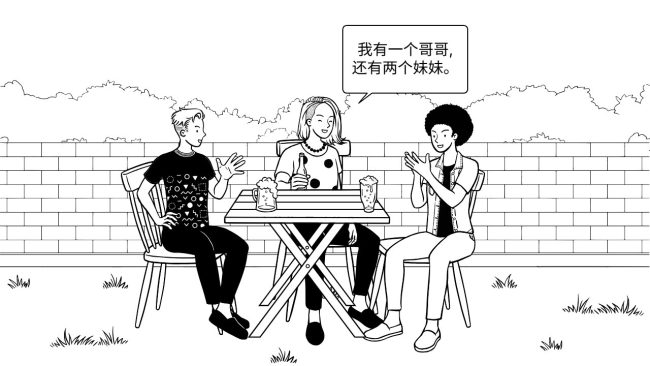
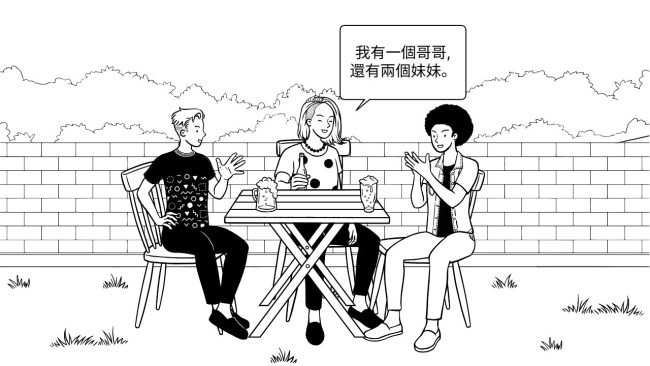
In the first usage hái 还/還 is used to add information, similar to ‘also’ or ‘in addition’ in English. Hái 还/還 provides additional information and connects multiple actions or desires of the same subject. It cannot connect different two subjects doing similar things. In this usage hái 还/還 often carries a tone of emphasis or surprise.
In the second usage hái 还/還 indicates that an action or situation is continuing or has not changed, similar to ‘still’ in English.
Structure
Basic form
In this usage hái 还/還 ‘also; in addition’ connects two phrases sharing the same subject. It is placed before the verb or adjective predicate in the second phrase.
Expressing ‘also; in addition,’
Expressing ‘still’
In the usage hái 还/還 ‘still’ is placed before a verb or adjective predicate to indicate that an action or situation is continuing or has not changed.
When indicating a continuous action, hái 还/還 is often followed by the progressive aspect marker zài 在.
Negation
When negating a sentence with hái 还/還, the negation adverb is placed after hái 还/還. It is not hái 还/還 itself that is negated, but the action expressed by the verb.
Sometimes the negation adverb bù 不 is used instead of méi 没/沒. However, bù 不 carries an emotive tone, often expressing frustration, surprise, or criticism.
If you want to say ‘also not’, it most common to use yě 也 ‘also’ instead of hái 还/還. If hái 还/還 is used in a negated sentence, it implies you are adding to an already negative or problematic situation and carries a tone of emphasis, complaint, or contrast.
Also check Yě 也
Questions
The most common way to form a yes-no question is to add the question particle ma 吗/嗎 at the end of the sentence.
With prepositional phrases
Hái 还/還 is usually placed before the prepositional phrase.
Functions
1. Hái 还/還 expressing ‘also; in addition’
Hái 还/還 is used to add something that is in addition to what has been mentioned or to emphasise continuity in actions. Hái 还/還 is often used, when speakers want to add emphasis or weight to what they’re saying and can carry a tone of surprise or complaint.
Hái 还/還 tends to indicate additional information, often with the sense of something continuing or an unexpected addition, rather than a direct parallel. If you want to indicate sameness and add a new fact in a parallel or coordinated manner, similar to ‘and’ in English, yě 也 ‘also’ is the appropriate choice.
Yě 也 is also the appropriate choice, if you have two different persons doing or being similar things.
Hái 还/還 can only be used to describe the same person doing or being different things, that is, the subject of both parts of the sentence must be the same. So, you cannot say:
2. Hái 还/還 expressing ‘still’
Hái 还/還 indicates that something is continuing, that an action or situation has not changed.
When indicating a continuous action, hái 还/還 is often followed by the progressive aspect marker zài 在.
Hái méi 还没/還沒 indicates that you ‘still have not’ or ‘not yet’ done something. It suggests an expectation or potential future change.
Hái bù 还不/還不 indicates that you ‘still will not’ or ‘still do not’ do something. It carries a tone of persistent refusal or unwillingness. It is less neutral than hái méi 还没/還沒 and often expresses the speaker’s frustration, surprise, or criticism.