When expressing cause and effect or reason and result, the conjunctions yīnwèi 因为/因為 ‘because, since’ and suǒyǐ 所以 ‘so, therefore’ are commonly used. Normally, yīnwèi 因为/因為 introduces the cause, while suǒyǐ 所以 introduces the result. They can be used separately or together.
Structure
1. Using yīnwèi 因为/因為 to indicate the reason or cause
In spoken Chinese, yīnwèi 因为/因為 can also appear on its own in the second clause to give additional explanation for the cause.
result/effect,
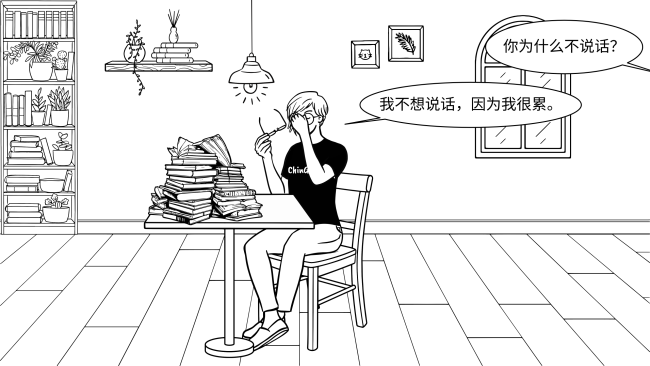
我不想说话,
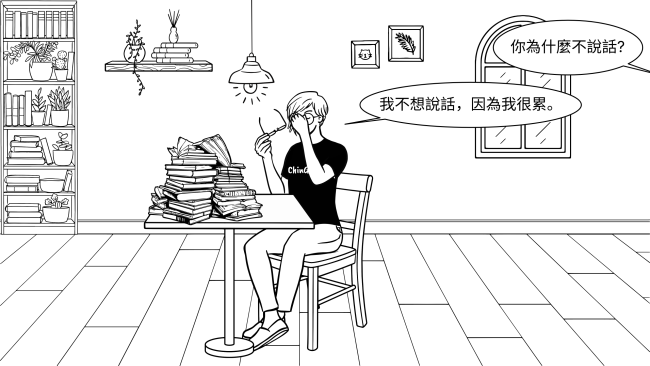
我不想說話,
Wǒ bù xiǎng shuō huà,
因为 + reason/cause
因为我很累。
因為我很累。
yīnwèi wǒ hěn lèi.
I don't want to talk because I'm tired.
result/effect,
我常常做中国菜,
我常常做中國菜,
Wǒ chángcháng zuò Zhōngguó cài,
因为 + reason/cause
因为妈妈很喜欢中国菜。
因為媽媽很喜歡中國菜。
yīnwèi māma hěn xǐhuan Zhōngguó cài.
I often cook Chinese food because my mum likes it a lot.
result/effect,
他会说中文,
他會說中文,
Tā huì shuō Zhōngwén,
因为 + reason/cause
因为他学过。
因為他學過。
yīnwèi tā xué guo.
He can speak Chinese because he has studied it.
2. Using suǒyǐ 所以 to indicate the result
When suǒyǐ 所以 is used on its own, it often appears in the second clause of the sentence.
reason/cause,
我很累,
我很累,
Wǒ hěn lèi,
所以 + result/effect
所以不想说话。
所以不想說話。
suǒyǐ bù xiǎng shuō huà.
I'm very tired, so I don't want to talk.
reason/cause,
妈妈很喜欢吃中国菜,
媽媽很喜歡吃中國菜,
Māma hěn xǐhuan chī Zhōngguó cài,
所以 + result/effect
所以我常常做。
所以我常常做。
suǒyǐ wǒ chángcháng zuò.
My mum likes eating Chinese food very much, so I cook it often.
reason/cause,
他学过中文,
他學過中文,
Tā xué guo Zhōngwén,
所以 + result/effect
所以会说中文。
所以會說中文。
suǒyǐ huì shuō Zhōngwén.
He has studied Chinese, therefore he can speak it.
3. Using yīnwèi 因为/因為…suǒyǐ 所以 to indicate a clear cause and effect
It’s very common to use yīnwèi 因为/因為…suǒyǐ 所以 as a pair to state the cause and its effect. In this full pattern, yīnwèi 因为/因為 can be placed at the start of the sentence or after the subject if it modifies the subject’s action. suǒyǐ 所以 always begins the second clause.
因为 + reason/cause,
因为很累,
因為很累,
Yīnwèi hěn lèi,
所以 + result/effect
所以我现在不想说话。
所以我現在不想說話。
suǒyǐ wǒ xiànzài bù xiǎng shuō huà.
Because I'm very tired, I don't feel like talking right now.
因为 + reason/cause,
因为妈妈很喜欢吃中国菜,
因為媽媽很喜歡吃中國菜,
Yīnwèi māma hěn xǐhuan chī Zhōngguó cài,
所以 + result/effect
所以我常常做。
所以我常常做。
suǒyǐ wǒ chángcháng zuò.
Since my mum likes eating Chinese food very much, I cook it often.
因为 + reason/cause,
他因为学过中文,
他因為學過中文,
Tā yīnwèi xué guo Zhōngwén,
所以 + result/effect
所以会说中文。
所以會說中文。
suǒyǐ huì shuō Zhōngwén.
Because he has studied Chinese, he can speak it.
Functions
Expressing cause-effect or reason-result relationships
Yīnwèi 因为/因為 and suǒyǐ 所以 are the most commonly used conjunctions to express cause and effect. The typical word order presents the reason first—optionally with yīnwèi 因为/因為—followed by the result introduced by suǒyǐ 所以. In other words, suǒyǐ 所以 can only occur in the second clause.
运动中心离我家不远,所以我常去。
運動中心離我家不遠,所以我常去。
Yùndòng zhōngxīn lí wǒ jiā bù yuǎn, suǒyǐ wǒ cháng qù.
The sports centre is not far from my home, so I often go there.
因为天气太冷,所以他今天不出门。
因為天氣太冷,所以他今天不出門。
Yīnwèi tiānqì tài lěng, suǒyǐ tā jīntiān bù chū mén.
Because it's too cold, he isn’t going out today.
他们因为没有钱,所以不能出国旅行。
他們因為沒有錢,所以不能出國旅行。
Tāmen yīnwèi méi yǒu qián, suǒyǐ bù néng chū guó lǚxíng.
Because they don't have money, they can't travel abroad.
In spoken usage, when there is a need to further explain the cause, yīnwèi 因为/因為 can be placed in the second clause to provide additional explanation.
A:你最近忙不忙?
A:你最近忙不忙?
Nǐ zuìjìn máng bu máng?
Have you been busy lately?
B:特别忙,因为开学了。
B:特別忙,因為開學了。
Tèbié máng, yīnwèi kāixué le.
Super busy, because the new semester has started.
Using the full pattern yīnwèi 因为/因為… suǒyǐ 所以… helps to make the logical relationship clearer.
In spoken Chinese, these conjunctions can sometimes be omitted. Depending on the context, the following sentence can be understood as either “that student was sick and didn’t come to class” or “that student was sick and (therefore) didn’t come to class.”
那个学生病了,没来上课。
那個學生病了,沒來上課。
Nà ge xuésheng bìng le, méi lái shàng kè.
That student was sick and (therefore) didn’t come to class.
那个学生病了,所以没来上课。
那個學生病了,所以沒來上課。
Nà ge xuésheng bìng le, suǒyǐ méi lái shàng kè.
That student was sick, so he didn’t come to class.


 en
en cs
cs da
da de
de it
it pl
pl