
Menu

怎么/怎麼
怎么/怎麼
zěnme
interrogative pronoun

The interrogative pronoun zěnme 怎么/怎麼 ‘how’, ‘why’, ‘what’, ‘what kind of’ occurs mainly in interrogative sentences and is used to ask about the manner, cause and reason of something. It can also be used in declarative sentences to express degree.
HSK1 TBCL2
zenme sim zenme tra

Structure

Questions

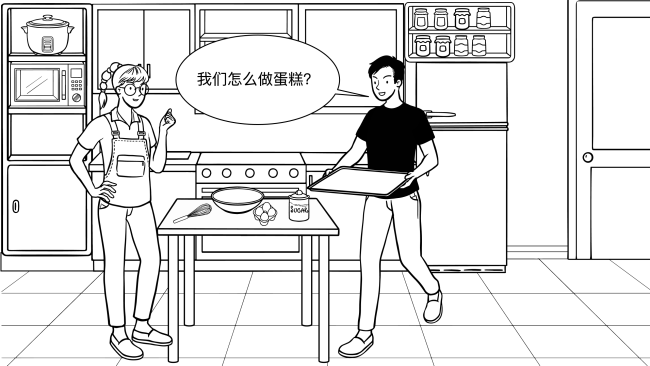
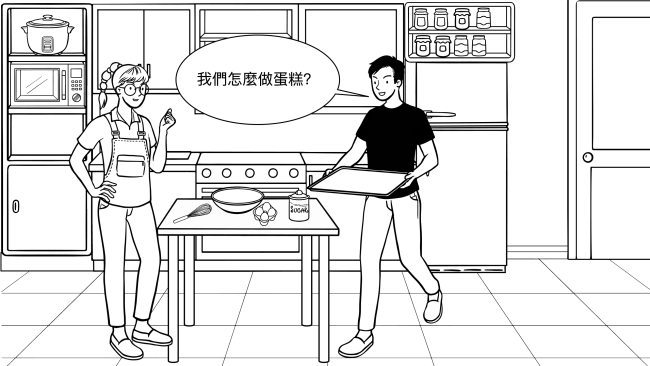
The interrogative pronoun zěnme 怎么/怎麼 ‘how’ is often used before the verb to ask about how the action is performed.

subject
我们
我們
Wǒmen
怎么/怎麼
怎么
怎麼
zěnme
verb
zuò
object
蛋糕?
蛋糕?
dàngāo?
How do we make cakes?
怎么
怎麼
zěnme
huà
小猫?
小貓?
xiǎo māo?
How do you draw a kitten?

In questions about how to perform an action, if the receiver of the action is expressed as a definite noun phrase (such as zhè ge zì 这个字 / 這個字 ‘this character’), it can be placed at the beginning of the sentence, before the phrase zěnme 怎么/怎麼 ‘how’ + verb.

subject
这个字
這個字
Zhè ge zì
怎么/怎麼
怎么
怎麼
zěnme
verb
写?
寫?
xiě?
How to write this character?
你的名字
你的名字
Nǐ de míngzi
怎么
怎麼
zěnme
念?
念?
niàn?
How to pronounce your name?

When asking about how something has been made, the construction shì 是 … de should be used.

subject
这个菜
這個菜
Zhè ge cài
shì
怎么/怎麼
怎么
怎麼
zěnme
verb
zuò
的?
的?
的?
How is this dish made?

The interrogative pronoun zěnme 怎么/怎麼 ‘why’ expressing a question about the reason can also appear before an adjective preceded by zhème 这么/這麼 ‘so’ or nàme 那么/那麼 ‘so’. 

subject
怎么/怎麼
怎么
怎麼
zěnme
这么/這麼 / 那么/那麼
这么
這麼
zhème
adjective
瘦?
瘦?
shòu?
Why are you so thin?

In questions about the situation zěnme 怎么/怎麼 ‘how’ is placed after the subject, in the predicate position. It can be preceded by the time expression. The modal particle le usually comes at the end of the sentence.

subject
(time)
怎么/怎麼
怎么
怎麼
zěnme
了?
了?
le?
What’s wrong with you?
今天
今天
jīntiān
怎么
怎麼
zěnme
了?
了?
le?
What’s wrong with him today?

With the negation adverb 不 ‘not’

The interrogative pronoun zěnme 怎么/怎麼 ‘how’ can by preceded by the adverb of negation ‘not’. The phrase bù zěnme 不怎么 / 不怎麼 ‘not very’ expresses a low degree of intensity of a given quality.

It can be placed before adjectives that functions as predicates.

subject
怎么/怎麼
怎么
怎麼
zěnme
adjective
努力。
努力。
nǔlì.
She doesn’t work very hard.

It can also occur before some verbs.

subject
怎么/怎麼
怎么
怎麼
zěnme
verb
喜欢
喜歡
xǐhuan
object
唱歌。
唱歌。
chàng gē.
She doesn’t really like singing.

The interrogative pronoun zěnme 怎么/怎麼 ‘how’, ‘why’ can also modify negative verb phrases. In such case it is placed before the adverb ‘not’ or méi / ‘not’ / méi yǒu 没有/沒有 ‘not’ preceding the verb.

subject
怎么/怎麼
怎么
怎麼
zěnme
verb
object
上海?
上海?
Shànghǎi?
Why aren’t you going to Shanghai?
怎么
怎麼
zěnme
shuō
話?
話?
huà?
Why isn’t she saying anything?
subject
怎么/怎麼
怎么
怎麼
zěnme
没/沒
méi
verb
看见?
看見?
kàn jian?
How come you didn’t see it?
怎么
怎麼
zěnme
méi
听说
聽說
tīngshuō
過?
過?
guo?
How haven’t I heard about this before?

With prepositional phrases

If the interrogative pronoun zěnme 怎么/怎麼 ‘how’ modifies the verb preceded by a prepositional phrase, it is usually placed before this phrase.

subject
怎么/怎麼
怎么
怎麼
zěnme
prepositional phrase
给你
給你
gěi nǐ
verb
讲?
講?
jiǎng?
How should I explain it to you?
怎么
怎麼
zěnme
和他
和他
hé tā
比?
比?
bǐ?
How can you compare to him?

But when the prepositional phrase with duì 对/對 ’towards, to’ is used, the interrogative pronoun zěnme怎么/怎麼 ‘how’ can also be placed after this phrase.

subject
prepositional phrase
对你
對你
duì nǐ
怎么/怎麼
怎么
怎麼
zěnme
verb
shuō
(particle)
的?
的?
de?
How did he speak to you?

Functions

1. Asking how the action is performed

 Zěnme 怎么/怎麼 ‘how’ is used to ask how the action denoted by the verb is performed.

怎么做蛋糕?
怎麼做蛋糕?
Zěnme zuò dàngāo?
How to make a cake?
怎么办呢?
怎麼辦呢?
Zěnme bàn ne?
What should we do?
怎么说呢?
怎麼說呢?
Zěnme shuō ne?
How should I put it? / How shall I say it?

If the action has already been completed, questions about how it was performed should use the shì 是 … de construction.

这个字是怎么写的?
這個字是怎麼寫的?
Zhè ge zì shì zěnme xiě de?
How is this character written?
这个菜很好吃,是怎么做的?
這個菜很好吃,是怎麼做的?
Zhè ge cài hěn hǎochī, shì zěnme zuò de?
This dish is really delicious, how is it made?
Also check →shì 是 … de.

2. Asking about the reason or the cause of an action

 Zěnme 怎么/怎麼 can also be used to ask about the reason behind an action. Used in this way it additionally conveys surprise, astonishment, or other emotions. In this case, it means ‘how come, why’.

你怎么来了?
你怎麼來了?
Nǐ zěnme lái le?
How come you came here?
In this sentence zěnme 怎么/怎麼 ‘how’, ‘why’ can only express a question about the reason. A question about how the action was performed would be: Nǐ shì zěnme lái de? 你是怎么来的?/ 你是怎麼來的? ‘How did you get here?’
你怎么这么晚才回来?
你怎麼這麼晚才回來?
Nǐ zěnme zhème wǎn cái huílai?
Why are you coming back so late?
你怎么不相信我呢?
你怎麼不相信我呢?
Nǐ zěnme bù xiāngxìn wǒ ne?
How come you don’t believe me?
你怎么都不知道?
你怎麼都不知道?
Nǐ zěnme dōu bù zhīdao?
How come you don’t know at all?

Zěnme 怎么/怎麼, when used in this way, can express a meaning similar to wèi shénme 为什么/為什麼, both can be translated as ‘why’. However, they are used in slightly different contexts. Wèi shénme 为什么/為什麼 appears in neutral questions, when the speaker simply wants to know the reason, whereas zěnme 怎么/怎麼 conveys the speaker’s surprise, confusion or disbelief.

他怎么没来上课?
他怎麼沒來上課?
Tā zěnme méi lái shàng kè?
How come he didn’t come to class?
The speaker is surprised—he was expected to come.
他为什么没来上课?
他為什麼沒來上課?
Tā wèi shénme méi lái shàng kè?
Why didn’t he come to class?
The speaker simply wants to know the reason.

3. Asking what went wrong or what happened

Zěnme 怎么/怎麼 ‘how’ can also be used to ask what went wrong or what has happened to someone.

他怎么了?
他怎麼了?
Tā zěnme le?
What’s wrong with him?
你的手怎么了?
你的手怎麼了?
Nǐ de shǒu zěnme le?
What’s wrong with your hand?
怎么了?你哭什么?
怎麼了?你哭什麼?
Zěnme le? Nǐ kū shénme?
What has happened? Why are you crying?

4. Expressing low degree

Zěnme 怎么/怎麼 ’how’ when used with the negation adverb ‘not’ (bù zěnme 不怎么/不怎麼 ‘not very’) expresses a relatively low degree. It softens the tone of the statement.

这不怎么重要。
這不怎麼重要。
Zhè bù zěnme zhòngyào.
That is not very important. / That is not all that important.
这不怎么可怕。
這不怎麼可怕。
Zhè bù zěnme kěpà.
This isn’t very scary.
他的身体不怎么好。
他的身體不怎麼好。
Tā de shēntǐ bù zěnme hǎo.
His health isn’t very good.
他不怎么喜欢看书。
他不怎麼喜歡看書。
Tā bù zěnme xǐhuan kàn shū.
He doesn’t really like reading.
我不怎么相信他的话。
我不怎麼相信他的話。
Wǒ bù zěnme xiāngxìn tā de huà.
I don’t really believe what he says.
他不怎么会唱歌。
他不怎麼會唱歌。
Tā bù zěnme huì chàng gē.
He is not very good at singing.

5. Expressing surprise

When used on its own, the pronoun zěnme 怎么/怎麼 ’what’ expresses surprise or astonishment.

怎么?你不记得了?
怎麼?你不記得了?
Zěnme? Nǐ bú jìde le?
What? You don’t remember? / What? You’ve forgotten?
怎么?你还不满意吗?
怎麼?你還不滿意嗎?
Zěnme? Nǐ hái bù mǎnyì ma?
What? You are still not satisfied?
怎么?你这是什么意思?
怎麼?你這是什麼意思?
Zěnme? Nǐ zhè shì shénme yìsi?
What? What do you mean by that?