

 en
en cs
cs da
da de
de it
it pl
plThe structural particle de 的 is a word with a grammatical function only, it has no lexical meaning. De 的
is placed between a modifier (also called attributive) and the following noun or nominal phrase. The modifier describes the following noun, for example ‘lazy dog’, ‘young lady’, and is usually expressed by a pronoun, adjective or a noun in Chinese. The modifier can express possession, qualities or characteristics of a noun, or distinction of a noun in terms of space or time.
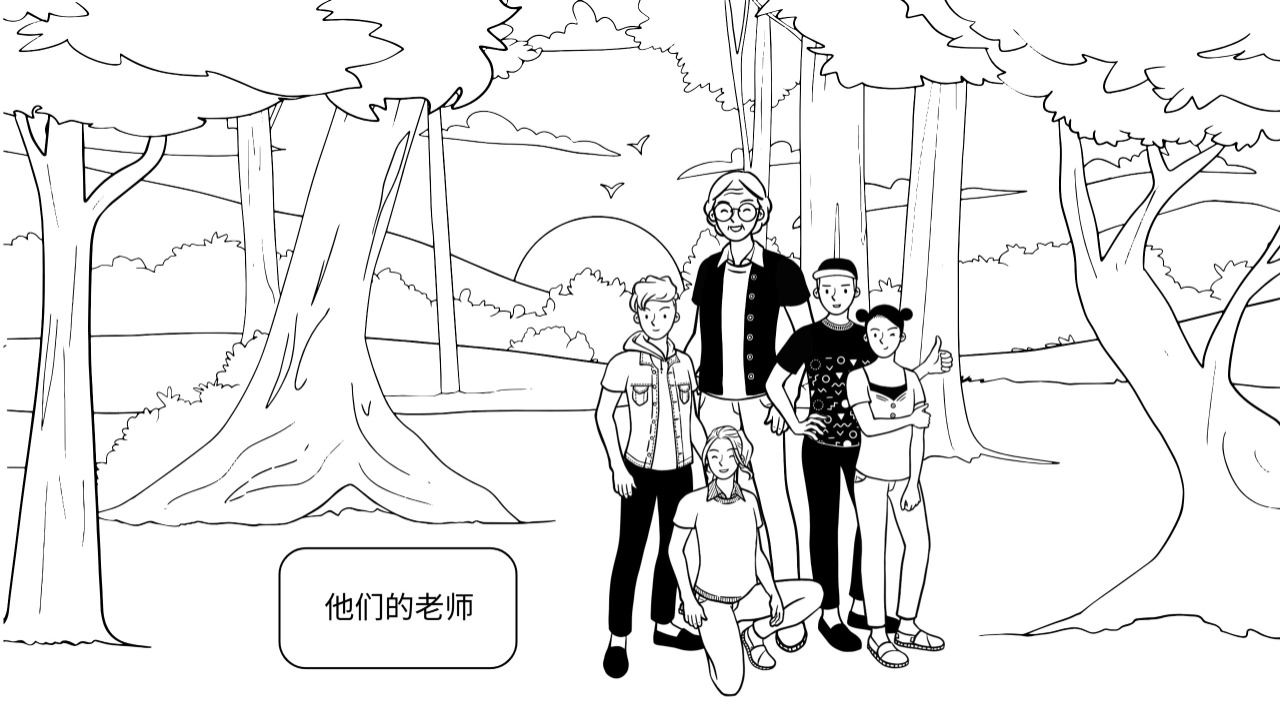
Structure
Basic form
De 的 stands in between the modifier and the noun itself.
With a degree adverb
The modifier might include a degree adverb such as hěn 很 ‘very’ or fēicháng 非常 ‘extremely’ which is placed in front of the adjective and followed by de 的.
Functions
1. De 的 with modifier expressing possession or close relationship
De 的 can be used in phrases expressing possession or a close relationship between a modifier and the noun it modifies.
2. De 的 with modifier expressing the quality or characteristic of a noun
The modifier + de 的 structure can be used to describe the quality, features, or properties of the modified noun, a so called descriptive modifier. In other words, the modifier with the structural particle de 的 indicates ‘what kind of thing’ the noun is.
3. De 的 with modifier expressing distinction of the noun
Besides description, the modifier + de 的 also serves to delimit the noun, a so called restrictive modifier. It often describes the scope or indicates information about the locality or time.
Note: When the context is clear, the noun after the modifier can be omitted.
Omission of de 的
Under these conditions, de 的 can be omitted:
1. In colloquial Chinese, the structural particle de 的is often omitted in phrases expressing close relationships between people or between people and an institution to which they belong. In such cases, the modifier is often a personal pronoun, and the modified noun refers to people or places, such as péngyou 朋友 ‘friend’, xuéxiào 学校 ‘school’, jiā 家 ‘home’, or gōngsī 公司 ‘company’.
2. If the noun is modified by a monosyllabic adjective, de 的 is usually omitted. If not omitted in this case, de 的 expresses emphasis.
Note: However, if there is an adverb preceding the monosyllabic adjective, de 的 cannot be omitted.