
Menu

Time noun and Construction
以前
以前
yǐqián
‘in the past, previously’; 'before...'
以后/以後
以后/以後
yǐhòu
‘in the future’; 'after...'

HSK2 TBCL2
UBER yiqian yihou sim UBER yiqian yihou tra

The time nouns yǐqián 以前 ‘in the past, previously’ and yǐhòu 以后/以後 ‘in the future’ can be used as standalone time words or in the fixed pattern ……yǐqián 以前 ‘before…’ and ……yǐhòu 以后/以後 ‘after…’, indicating the temporal sequence of actions or events. When used in fixed patterns, yǐqián 以前 and yǐhòu 以后/以後 should be placed after a time noun or a verbal phrase indicating an action or an event.

Here is a list of these usages with examples:

1. yǐqián 以前 ‘in the past, previouly’ and yǐhòu 以后/以後 ‘in the future’

他以前不吃肉。
他以前不吃肉。
Tā yǐqián bù chī ròu.
He didn’t eat meat before.
我以后想去旅行。
我以後想去旅行。
Wǒ yǐhòu xiǎng qù lǚxíng.
I want to go travelling in the future.

2. time word + yǐqián 以前 and time word + yǐhòu 以后/以後 indicating before or after a specific time

两年以前
兩年以前
liǎng nián yǐqián
two years ago
一九九一年以前
一九九一年以前
yī jiǔ jiǔ yī nián yǐqián
before 1991
一个月以后
一個月以後
yí ge yuè yǐhòu
one month later
两点以后
兩點以後
liǎng diǎn yǐhòu
after two o’clock

3. verbal phrase + yǐqián 以前 and verbal phrase + yǐhòu 以后/以後 indicating before or after doing something

上课以前
上課以前
shàng kè yǐqián
before class
洗澡以前
洗澡以前
xǐ zǎo yǐqián
before taking a shower
下课以后
下課以後
xià kè yǐhòu
after class
起床以后
起床以後
qǐ chuáng yǐhòu
after getting up

Structure

1. yǐqián 以前 and yǐhòu 以后/以後 used as standalone time nouns

Similar to other time nouns, yǐqián 以前 and yǐhòu 以后/以後 can be used either before or after the subject.

subject
以前/以后
以前
以前
yǐqián
verb
喜欢
喜歡
xǐhuan
object
她。
她。
tā.
I used to like her.
subject
弟弟
弟弟
Dìdi
以前/以后
以后
以後
yǐhòu
modal verb
xiǎng
verb
dāng
object
老师。
老師。
lǎoshī.
My younger brother wants to be a teacher in the future.

以前/以后
以前
以前
Yǐqián
subject
verb
喜欢
喜歡
xǐhuan
object
她。
她。
tā.
I used to like her.
以前/以后
以后
以後
Yǐhòu
subject
弟弟
弟弟
dìdi
modal verb
xiǎng
verb
dāng
object
老师。
老師。
lǎoshī.
My younger brother wants to be a teacher in the future.

2. fixed patterns: time noun + 以前 and time noun + 以后/以後

These patterns can be placed at the beginning of a sentence or after the subject. When occurring at the sentence-initial position, they are typically followed by a comma.

time noun + 以前/以后,
八点以前,
八點以前,
Bā diǎn yǐqián,
subject
学生
學生
xuésheng
adverb
dōu
verbal phrase
到了。
到了。
dào le.
Before 8 o’clock, the students have all arrived.
time noun + 以前/以后,
兩年以前,
兩年以前,
Liǎng nián yǐqián,
subject
adverb
经常
經常
jīngcháng
verbal phrase
碰见他。
碰見他。
pèngjiàn tā.
Two years ago, I often ran into him.

When this pattern occurs after the subject, zài 在 can sometimes be added, for emphasizing.

subject
手机
手機
Shǒujī
(在) time noun + 以前/以后,
在2000年以后
在2000年以後
zài èr líng líng líng nián yǐhòu
越来越
越来越
越来越
yuèláiyuè
adjective
便宜。
便宜。
piányi.
Mobile phones became cheaper and cheaper after the year 2000.

3. fixed patterns: verbal phrase + 以前 and verbal phrase + 以后/以後

These patterns can be placed at the beginning of a sentence or after the subject. When occurring at the sentence-initial position, they are typically followed by a comma.

verbal phrase + 以前/以后,
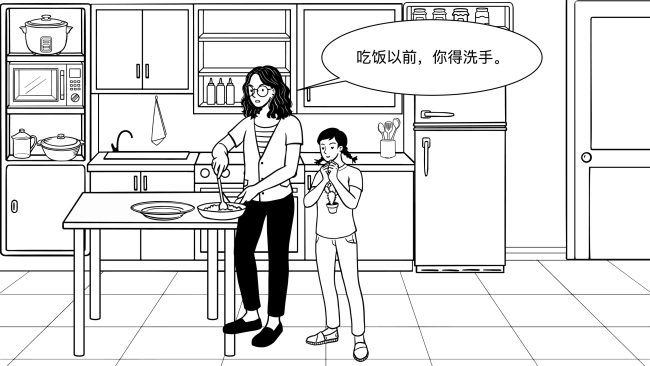
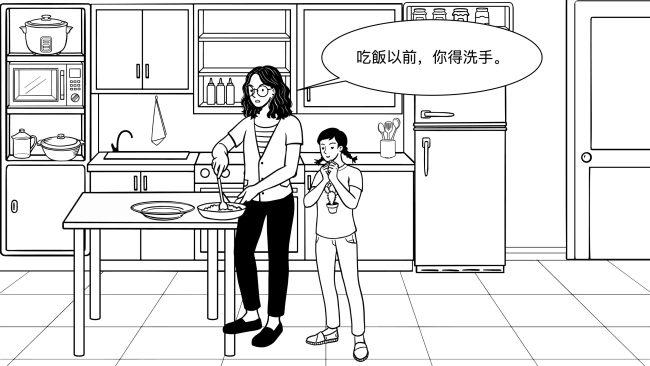
吃饭以前,
吃飯以前,
Chī fàn yǐqián,
subject
modal verb
děi
verb
object
手。
手。
shǒu.
Before eating, you have to wash your hands.
verbal phrase + 以前/以后,
回家以后,
回家以後,
Huí jiā yǐhòu,
subject
modal verb
不想
不想
bù xiǎng
verb
kàn
object
书。
書。
shū.
After going home, I don’t want to read.

subject
verbal phrase + 以前/以后
吃饭以前
吃飯以前
chī fàn yǐqián
modal verb
děi
verb
object
手。
手。
shǒu.
You have to wash your hands before eating.
subject
verbal phrase + 以前/以后
回家以后
回家以後
huí jiā yǐhòu,
modal verb
不想
不想
bù xiǎng
verb
kàn
object
书。
書。
shū.
After going home, I don’t want to read.

In spoken Chinese, yǐqián 以前 and yǐhòu 以后/以後  can be reduced to qián 前 or hòu 后/後 in these patterns. In the examples above, shorter forms such as chī fàn qián 吃饭前/吃飯前 ‘before eating’, huí jiā hòu 回家后/回家後 ‘after going home’, bā diǎn qián 八点前 /八點前 ‘before 8 o’clock’ are possible.

Functions

1. indicating past or the future

The standalone time nouns yǐqián 以前 and yǐhòu 以后/以後 can be used either before or after the subject of a sentence, to indicate the past or future.

以前我跟朋友一起旅行过。
以前我跟朋友一起旅行過。
Yǐqián wǒ gēn péngyou yìqǐ lǚxíng guo.
I used to travel together with friends.
谁以后想在大公司工作?
誰以後想在大公司工作?
Shéi yǐhòu xiǎng zài dà gōngsī gōngzuò?
Who wants to work in a big company in the future?

2. Temporal ordering of an event before or after a reference point

The structure time noun + yǐqián 以前 and time noun + yǐhòu 以后/以後 can also be used with specific times or dates to emphasize whether an action happened earlier or later than its reference time point.

那个孩子三岁以前不会说话。
那個孩子三歲以前不會說話。
Nàge háizi sān suì yǐqián bú huì shuō huà.
That child could not speak before the age of three.
一个星期前,妈妈去过银行。
一個星期前,媽媽去過銀行。
Yí ge xīngqī qián, māma qù guo yínháng.
Mum went to the bank a week ago.
我两个月以后要去旅行。
我兩個月以後要去旅行。
Wǒ liǎng ge yuè yǐhòu yào qù lǚxíng.
I will go traveling in two months.

3. Indicating the sequence of events

The patterns verbal phrase + yǐqián 以前 and verbal phrase + yǐhòu 以后/以後 are usually used to indicate the temporal sequence of two actions or events.

来中国工作以前,他只学过一点儿中文。
來中國工作以前,他只學過一點兒中文。
Lái Zhōngguó gōngzuò yǐqián, tā zhǐ xué guo yìdiǎnr Zhōngwén.
Before coming to China, he had only studied a little Chinese.
你明天下课后就来我这儿,好吗?
你明天下課後就來我這兒,好嗎?
Nǐ míngtiān xià kè hòu jiù lái wǒ zhèr, hǎo ma?
Come to my place after class tomorrow, okay?

The aspect marker le 了 or the result complement wán 完 ‘finish’ can sometimes appear within the pattern verbal phrase + yǐhòu 以后/以後, to emphasize the completion or termination of an event.

我们吃了早饭以后去看电影,怎么样?
我們吃了早飯以後去看電影,怎麼樣?
Wǒmen chī le zǎofàn yǐhòu qù kàn diànyǐng, zěnmeyàng?
After breakfast, how about we go to watch a movie?
写完这些汉字以后,我就跟你去公园。
寫完這些漢字以後,我就跟你去公園。
Xiě wán zhè xiē Hànzì yǐhòu, wǒ jiù gēn nǐ qù gōngyuán.
After finishing writing these characters, I’ll go to the park with you.