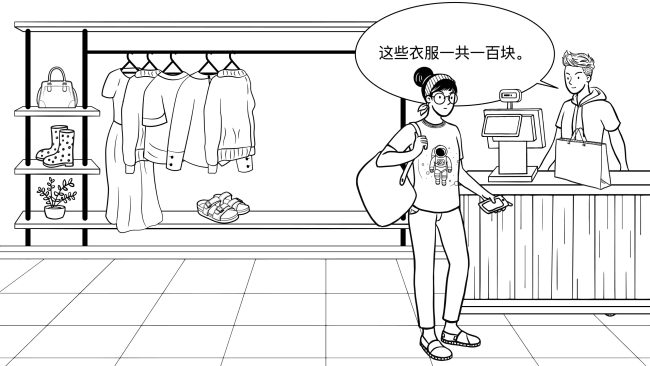
Yígòng 一共 indica la quantità totale di cose o persone. Si colloca generalmente prima di un predicato nominale oppure prima di un verbo seguito da un sintagma nominale composto da un numerale, un classificatore e un nome. Yígòng 一共 si usa per esprimere un totale preciso ottenuto sommando più elementi e non può essere usato per indicare una quantità approssimativa.
Struttura
Forma base
Yígòng 一共 si colloca generalmente prima di un predicato nominale oppure prima di un verbo seguito da un oggetto indicante una quantità, ovvero un sintagma nominale composto da un numerale, un classificatore e un nome.
soggetto
这些衣服
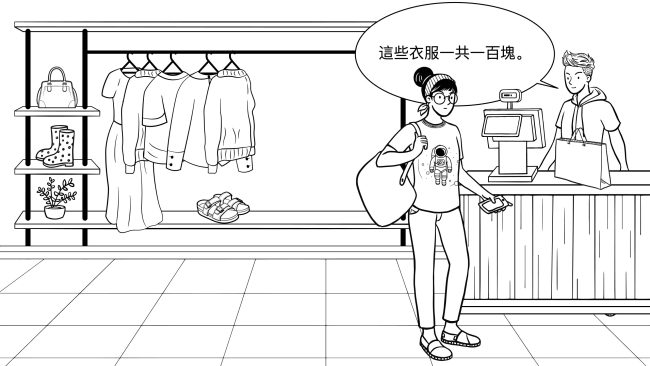
這些衣服
Zhè xiē yīfu
predicato nominale
一百块。
一百塊。
yì bǎi kuài.
Questi vestiti costano in tutto 100 yuan.
学中文的学生
學中文的學生
Xué Zhōngwén de xuésheng
Gli studenti che studiano cinese sono in totale cinquanta.
oggetto
八个人。
八個人。
bā ge rén.
In tutto siamo otto.
Ha bevuto in tutto due tazze di tè.
二十个汉字。
二十個漢字。
èrshí ge Hànzì.
Mia sorella maggiore ha scritto in tutto venti caratteri cinesi.
Frase interrogativa
Yígòng 一共 può essere usato anche nelle frasi interrogative per chiedere la cifra di una quantità in totale.
几/幾 + classificatore + nome
几个人?
幾個人?
jǐ ge rén?
Quante persone ci sono in tutto?
soggetto
这些衣服
這些衣服
Zhè xiē yīfu
多少 + nome
多少钱?
多少錢?
duōshǎo qián?
Quanto costano questi vestiti in totale?
oggetto
两杯茶
兩杯茶
liǎng bēi chá
Ha bevuto in tutto due tazze di tè?
soggetto
学中文的学生
學中文的學生
Xué Zhōngwén de xuésheng
predicato nominale
五十个
五十個
wǔshí ge
Gli studenti che studiano cinese sono in tutto cinquanta?
Con i verbi ausiliari modali ed altri avverbi
Quando nella frase è presente un verbo ausiliare modale, yígòng 一共 si colloca normalmente prima di esso.
verbo ausiliare modale
想
想
xiǎng
oggetto
三件衣服。
三件衣服。
sān jiàn yīfu.
In tutto voglio comprare tre vestiti.
In tutto visiterà dieci Paesi.
Quando è usato insieme all’avverbio zhǐ 只 ‘solo’, yígòng 一共 si colloca normalmente prima di zhǐ 只.
(verbo ausiliare modale)
想
想
xiǎng
oggetto
三件衣服。
三件衣服。
sān jiàn yīfu.
In tutto voglio comprare solo tre vestiti.
In tutto andrà solo in dieci Paesi.
Funzioni
1. Yígòng 一共 per la cifra di una quantità totale
Yígòng 一共 si usa per indicare il numero o la quantità totale di persone o cose. Esprime sempre un totale preciso, ottenuto sommando più elementi.
A:请问,这些水果一共多少钱?
A:請問,這些水果一共多少錢?
Qǐngwèn, zhèxiē shuǐguǒ yígòng duōshǎo qián?
Mi scusi, quanto costano questi frutti in totale?
B:一共一百一十五块。
B:一共一百一十五塊。
Yígòng yì bǎi yī shí wǔ kuài.
In tutto sono 115 yuan.
一个星期一共有七天。
一個星期一共有七天。
Yí ge xīngqī yígòng yǒu qī tiān.
Una settimana ha complessivamente sette giorni.
爸爸这次出国,一共要去几天?
爸爸這次出國,一共要去幾天?
Bàba zhè cì chū guó, yígòng yào qù jǐ tiān?
Per quanti giorni in tutto papà starà all'estero questa volta?
哥哥在这家超市一共工作了两个月。
哥哥在這家超市一共工作了兩個月。
Gēge zài zhè jiā chāoshì yígòng gōngzuò le liǎng ge yuè.
Mio fratello maggiore ha lavorato in questo supermercato per un totale di due mesi.
我的同学一共学了半年的中文。
我的同學一共學了半年的中文。
Wǒ de tóngxué yígòng xué le bàn nián de Zhōngwén.
Il mio compagno di classe ha studiato cinese per un totale di sei mesi.
妈妈一共给我买了两件大衣。
媽媽一共給我買了兩件大衣。
Māma yígòng gěi wǒ mǎi le liǎng jiàn dàyī.
Mamma mi ha comprato in tutto due cappotti.

 en
en cs
cs da
da de
de it
it pl
pl