

 en
en cs
cs da
da de
de it
it pl
pl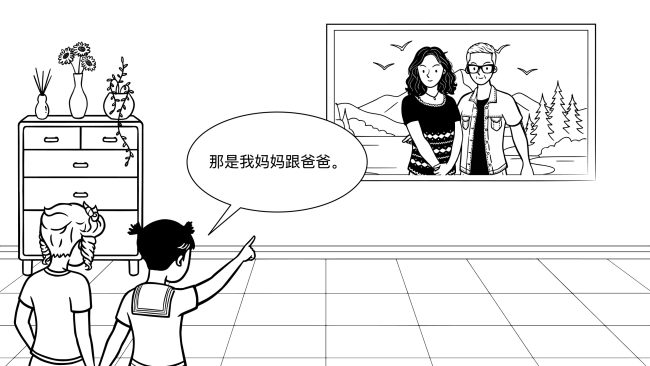
Structure
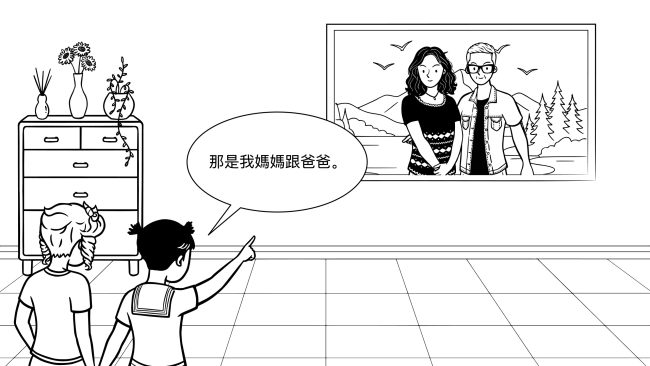
The conjunction gēn 跟 is used to link nouns and noun phrases that serve the same function in a sentence (most commonly as the subject or the object).
noun
妈妈
媽媽
跟
跟
跟
noun
爸爸
爸爸
Mother and father
noun phrase
我朋友
我朋友
跟
跟
跟
noun phrase
她的同学
她的同學
My friend and her classmate
Functions
1. Gēn 跟 expressing ‘and’
It is used when joining nouns or noun phrases. Note that you should not use it to join other items or sentences.
她跟她朋友都很漂亮。
她跟她朋友都很漂亮。
She and her friend are both pretty.
北京跟上海都是有名的城市。
北京跟上海都是有名的城市。
Beijing and Shanghai are both famous cities.
Also check conjunction和
Also check 和vs 跟
Also check A跟B一样
2. Gēn 跟 expressing joint performance of an action.
It is used when indicating actions performed together with someone else. This use overlaps with preposition gēn 跟. For this use, the adverb yìqǐ 一起 ‘together’ often co-occurs.
我跟同学一起去图书馆学习。
我跟同學一起去圖書館學習。
Me and my classmate are going together to library to study.
爸爸跟妈妈一起去买东西。
爸爸跟媽媽一起去買東西。
Dad and mum are going shopping together.